What is Uv Laser Printers and How Do They Benefit Businesses?
In today's competitive market, businesses seek innovative solutions to enhance productivity and quality. Uv Laser Printers stand out as a game-changer in the printing industry. According to Dr. Emily Carter, a leading expert in printing technology, "Uv Laser Printers offer unparalleled precision and versatility for modern businesses." This technology uses ultraviolet light to cure ink instantly, resulting in sharp images and vibrant colors.
Businesses that adopt Uv Laser Printers can achieve impressive results quickly. The ability to print on various materials allows for creativity in product design. However, some might overlook the initial costs associated with these printers. This investment may seem daunting, but many experts argue the long-term benefits outweigh these challenges. The durability of prints produced by Uv Laser Printers brings added value.
Despite these advantages, businesses must consider their specific needs before making a transition. Not every organization requires the high-quality output of Uv Laser Printers. Understanding the unique demands of your business is vital. While Uv Laser Printers can enhance productivity, careful evaluation is essential for maximizing potential.
What is UV Laser Printing Technology?
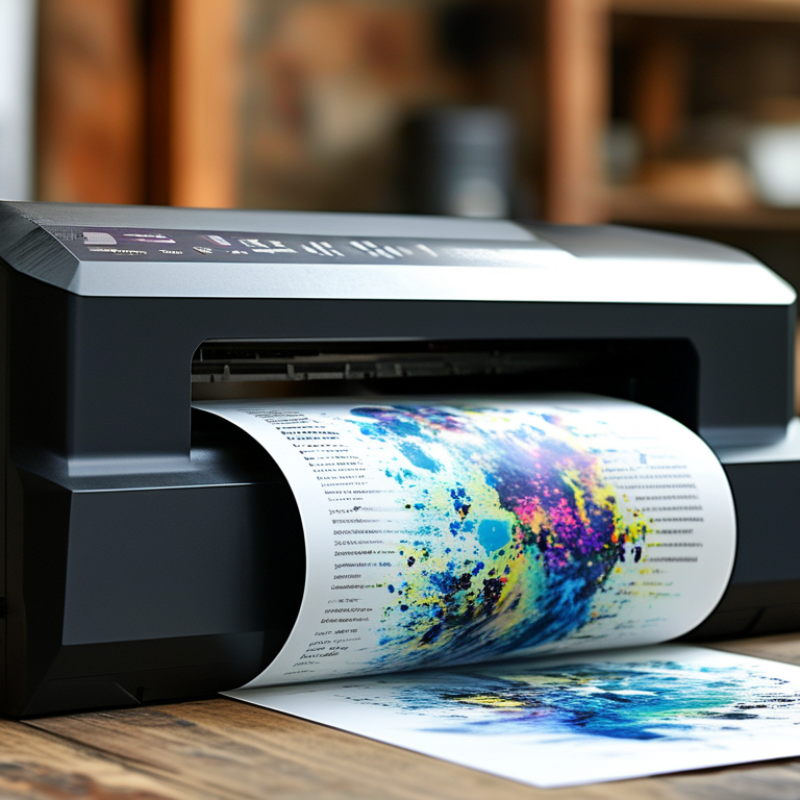
UV laser printing technology is revolutionizing the printing industry with its precision and versatility. At its core, this method uses ultraviolet light to cure ink as it is printed. The result is a chemically-reacted finish that quickly dries and adheres to various surfaces. This process allows for high-quality prints on materials such as plastics, metals, and glass. Businesses can produce vibrant, durable images that stand out.
The benefits of UV laser printers are significant. They help reduce production time and improve efficiency. This technology supports fast turnaround times, which is essential in today’s fast-paced market. Companies can produce customized prints quickly, meeting customer demands effectively. Additionally, UV printing eliminates the need for excessive drying time, further streamlining workflow.
While UV printing offers many advantages, there are challenges to consider. The initial investment for UV laser printers can be higher than traditional printers. Businesses must also ensure proper safety measures when operating these machines. Understanding the materials and inks used is crucial. Not every substrate works well with UV printing. Companies should weigh these factors carefully before transitioning to this technology.
Key Components of UV Laser Printers
UV laser printers are becoming essential in modern business operations. Their unique technology involves using ultraviolet light to cure ink as it prints. This process results in vibrant colors, sharp details, and durable finishes. UV laser printers can print on various materials, including plastic, metal, and fabric. Businesses looking to diversify their offerings can benefit greatly from this versatility.
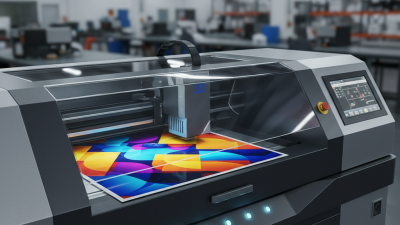
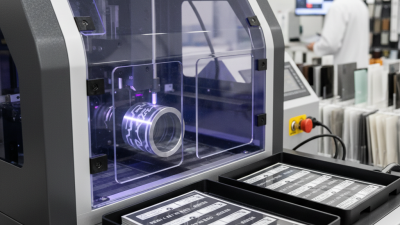
Key components of UV laser printers include the laser source, optics, and curing mechanism. The laser source often uses solid-state technology for greater efficiency. Optics ensure accurate targeting and alignment of the laser beam. The curing mechanism employs UV light to instantly dry the ink, which allows for faster production speeds. Many businesses implement these printers to meet high-volume demands.
**Tip:** Regular maintenance of the laser source can ensure optimal performance. Check the optics for cleanliness frequently. Dust can impact image quality.
Quality matters. Not all UV printers provide the same results. Choosing the right model and ensuring proper calibration can significantly influence output.
**Tip:** Conduct sample tests before committing to a printer. This can save you from costly mistakes.
Assess your business needs carefully before investing. Consider factors like print speed, material compatibility, and overall print quality. A thoughtful approach can significantly enhance your production capabilities.
What is Uv Laser Printers and How Do They Benefit Businesses? - Key Components of UV Laser Printers
| Component |
Description |
Benefits |
| Laser Module |
The core component that generates the laser used for printing. |
Provides high precision and quality in print output. |
| UV Light Source |
Utilizes ultraviolet light to instantly cure ink during the printing process. |
Enables quick drying, allowing for faster production times. |
| Ink Delivery System |
System responsible for delivering the ink to the print head. |
Ensures consistent flow and prevents clogging, enhancing print reliability. |
| Print Head |
The assembly that applies ink onto the substrate. |
Facilitates high-resolution printing with various colors and effects. |
| Control Software |
Software that controls the printing process and manages the printer settings. |
Allows for customization of print jobs and enhances user interface. |
| Substrate Compatibility |
The types of materials that can be printed on, such as plastics, metals, glass. |
Expands the range of applications for businesses across various industries. |
| Environmental Benefits |
Reduced volatile organic compounds (VOCs) due to UV curing technology. |
Supports sustainability and compliance with environmental regulations. |
Advantages of UV Laser Printers for Businesses
UV laser printers are transforming the printing landscape for businesses. These advanced devices use ultraviolet light to cure or dry ink as it is printed. This process creates a durable finish that is resistant to scratching and fading. According to industry reports, UV printing has seen a growth of over 20% annually. The technology offers several advantages that can significantly benefit companies.
One major advantage is versatility. UV printers can handle various materials, including plastic, metal, and wood. This flexibility allows businesses to create customized products, catering to diverse customer needs. A study by Smithers Pira indicates that custom printing can lead to a 25% increase in sales for businesses that adopt this technology. Furthermore, UV printers use less energy than traditional printers, making them environmentally friendly and cost-effective.
Another notable benefit is print quality. UV laser printers deliver sharper images and vibrant colors. This attention to detail can enhance branding efforts. However, some businesses may find the initial investment high. It's important to weigh the long-term gains against the upfront costs. Additionally, while UV ink has many advantages, it can be tricky to work with if not handled properly. Understanding these nuances is crucial for achieving optimal results in a competitive market.
Advantages of UV Laser Printers for Businesses
Applications of UV Laser Printing in Various Industries
UV laser printing has found its way into various industries, showcasing its versatility and effectiveness. In the packaging sector, for instance, UV laser printers create high-resolution labels that withstand moisture and UV exposure. This durability ensures that products maintain their attractive appearance throughout their lifecycle. Companies appreciate the vibrant colors and sharp details achieved with this technology, attracting consumers' attention on store shelves.
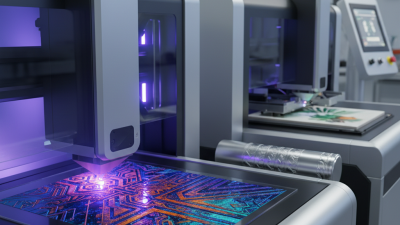
In the electronics industry, UV laser printing facilitates precise marking and coding on circuit boards and components. This ensures that vital information, like serial numbers or barcodes, is clear and long-lasting. The ability to print directly on surfaces without needing additional inks or solvents makes it both efficient and environmentally friendly. However, achieving consistency can be challenging, and businesses must regularly calibrate their printers to maintain quality.
The application of UV laser printing extends to the medical field as well. It is used for printing on surgical instruments and medical devices, where cleanliness and precision are paramount. The technology allows for permanent and reliable markings that can withstand sterilization processes. Yet, companies must evaluate their cleanliness practices to ensure that the equipment delivers optimal results without contamination. Each of these sectors demonstrates the transformative potential of UV laser printing while highlighting the need for quality control and best practices.
Cost-Benefit Analysis of Using UV Laser Printers
UV laser printers are transforming the printing landscape for businesses. They offer numerous advantages, but a cost-benefit analysis reveals deeper insights. According to a report by Smithers Pira, the global market for UV printing is projected to reach $24 billion by 2025. This growth is driven by increased demand for high-quality and durable prints. One key benefit of UV laser printing is its quick curing time. Prints are ready almost instantly, reducing turn-around times and enhancing productivity.
Businesses need to consider both initial costs and long-term savings. While UV laser printers can have a higher upfront investment, operational costs are lower. An analysis from Technavio showed that the reduction in ink usage can lead to up to 30% savings. Moreover, the durability of UV prints minimizes wastage and reprints, further enhancing efficiency.
Tips: Evaluate your print volume and job types. High-volume jobs can reap more savings. Consider maintenance costs as well; keeping equipment in check can prevent unexpected expenses. Don't overlook the potential of UV printing in niche markets. Unique applications can set your business apart. Balancing investments with thorough research can lead to significant advantages in a competitive marketplace.

 Send Email
 18929582815