2026 Top Uv Laser Printers for Global Buyers Guide?
As the demand for precision and efficiency grows, UV Laser Printers have emerged as a preferred choice for manufacturers. According to a 2022 market research report, the global UV laser printing market is expected to reach USD 1.1 billion by 2026. This trend reflects a robust growth rate driven by advances in technology and an increasing need for high-quality printing solutions.
The versatility of UV Laser Printers allows them to handle a variety of materials, from plastics to metals. Their unique capability to print with vivid colors and intricate designs provides substantial benefits across various industries. However, it is essential to recognize that not all UV Laser Printers are created equal. Some models may not offer the reliability needed for high-volume production or sensitive applications.
Buyers must navigate through a range of options and specifications. Understanding the nuances can be challenging. Factors such as print speed, resolution, and maintenance requirements are critical. Insights from industry experts suggest that choosing the right UV Laser Printer can significantly impact production efficiency and product quality. This guide aims to assist global buyers in making informed decisions, ensuring they select printers that meet their specific needs.
Overview of UV Laser Printing Technology and Its Advantages
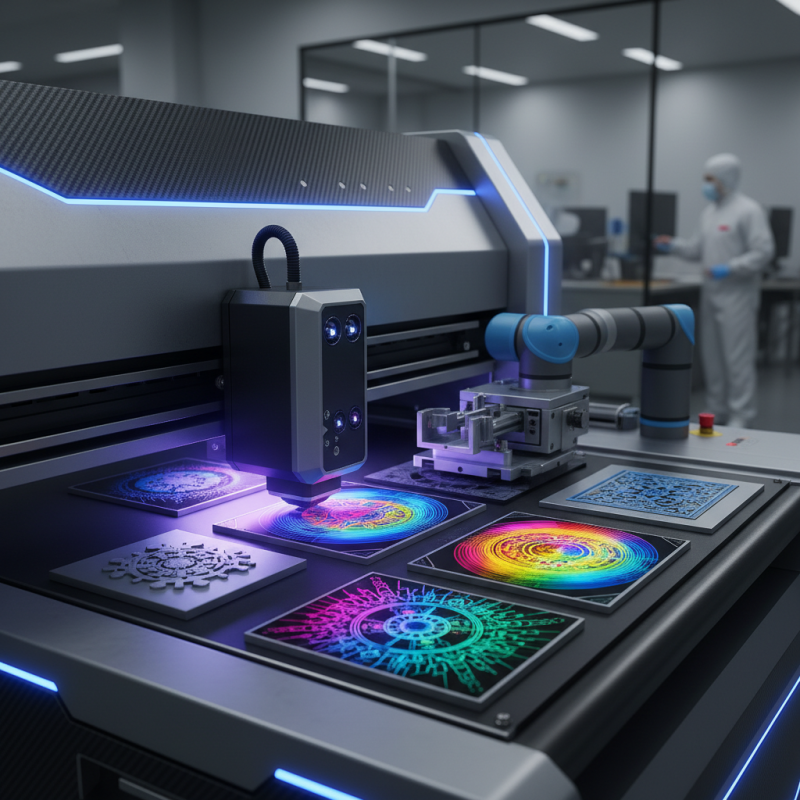
UV laser printing technology has transformed the printing industry with unique advantages. This method uses ultraviolet light to cure ink instantly. The result is high-quality prints with vivid colors and sharp details. According to a report by Smithers Pira, the UV printing market is expected to reach $27 billion by 2026, indicating its rapid growth.
One major advantage of UV laser printing is the versatility of materials. It works on various surfaces, including plastics, metals, and glass. This flexibility meets the demands of diverse applications. Additionally, the technology produces prints that are resistant to scratches and fading. This durability is invaluable in industries such as packaging and signage.
Tip: Always test your material before full production. Some materials may react unpredictably with UV inks.
The energy efficiency of UV laser printers is another compelling feature. They often consume less power than traditional printing methods. However, the initial investment can be high, and not all printers deliver consistent quality. It’s essential to evaluate the long-term benefits versus upfront costs. Regular maintenance is also crucial for optimal performance.
Tip: Schedule regular maintenance checks to prevent unexpected issues.
Key Features to Consider When Selecting UV Laser Printers
When selecting UV laser printers, several key features deserve your attention. Print quality is paramount. Look for printers that deliver high-resolution outputs. Consistent color accuracy can greatly enhance your projects. Evaluate the speed of printing as well, especially if time is a crucial factor for your business.
Consider the printer’s compatibility with various materials. UV laser printers should handle diverse substrates, from plastics to metals. Assess the ease of use; a user-friendly interface can save you valuable time. Additionally, check the maintenance requirements. Some models may demand frequent servicing, while others are designed for durability with less upkeep.
Lastly, research the warranty and support options available. A reliable printer should be backed by solid customer service. Think about your long-term needs too. Investing in technology is often about balancing costs with benefits. Remember, the perfect printer for one project may not suit another. Always make informed decisions based on your specific requirements.
2026 Top UV Laser Printers for Global Buyers Guide
| Model |
Printing Speed (pph) |
Max Print Resolution (dpi) |
Material Compatibility |
Warranty |
| Model A |
50 |
1200 |
Plastic, Metal, Wood |
2 years |
| Model B |
40 |
1440 |
Glass, Acrylic |
1 year |
| Model C |
70 |
600 |
Textiles, Paper |
3 years |
| Model D |
60 |
720 |
Wood, Leather |
1.5 years |
Top UV Laser Printer Brands and Their Market Share in 2026
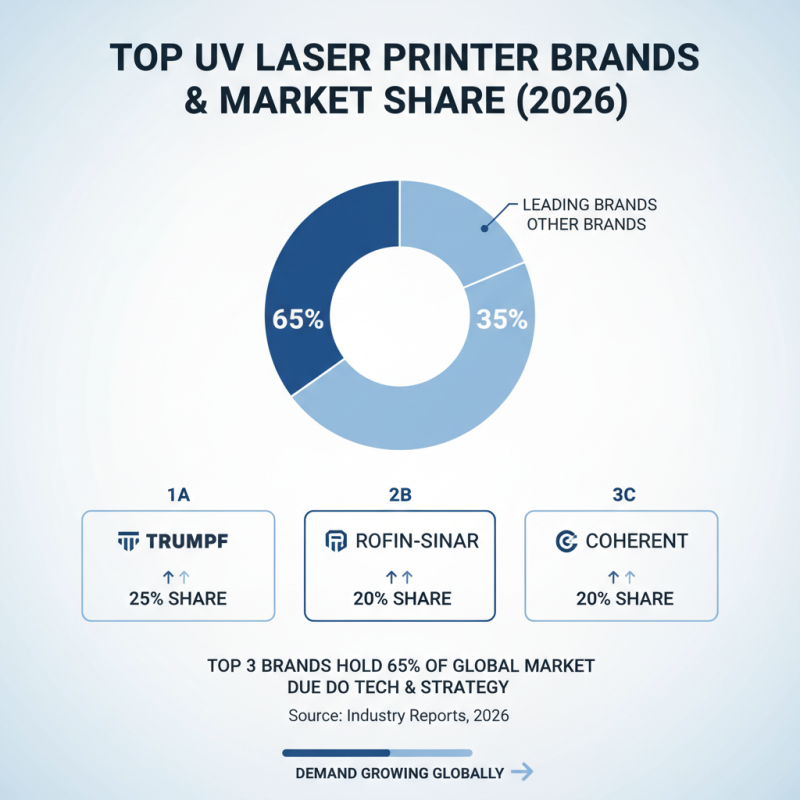
As the demand for UV laser printers continues to grow globally, understanding the competitive landscape becomes essential for buyers. In 2026, the market is expected to witness significant shares dominated by key players. Recent reports indicate that the leading brands capture approximately 65% of the total market, reflecting their technological advancements and marketing strategies.
These brands are recognized not only for their high-quality prints but also for their commitment to sustainability. The market share distribution indicates that a few brands control over 40% alone. This concentration can raise concerns about competition and innovation. Smaller brands struggle to gain visibility despite offering unique features.
Challenges still exist within the industry. For instance, maintaining consistent print quality across varying materials remains an issue. Additionally, the cost of UV laser technology can be a barrier for entry-level users. Buyers need to consider both the upfront investment and ongoing maintenance. While market leaders dominate, opportunities exist for newcomers who can address these concerns effectively.
Comparative Analysis of UV Laser Printers Based on User Ratings
When exploring UV laser printers, user ratings offer valuable insights. Many buyers prioritize reliability and print quality. High user ratings often indicate satisfaction in these areas. However, reviews can sometimes be misleading. Users may overlook specific issues that could affect long-term performance.
Some printers gain praise for vibrant color accuracy. Others may shine in speed, but fall short in durability. A few models receive lower ratings due to frequent maintenance needs. It's essential to analyze these comments deeply. Pay attention to recurring complaints from multiple users.
A few standout features often drive ratings higher. Variable power settings and user-friendly interfaces can enhance printing experiences. While some models boast innovative technology, they may not always deliver in day-to-day use. Always consider how specific features align with your particular needs while reading through user experiences.
Future Trends and Innovations in UV Laser Printing Industry
The UV laser printing industry is on the brink of significant transformation. According to a report by Smithers Pira, the market for UV printing is expected to grow at a CAGR of 8.5% through 2026. This surge reflects the increasing demand for high-speed, high-quality printing solutions. Innovations in UV laser technology improve efficiency and reduce waste, appealing to eco-conscious businesses.
New developments are emerging in materials and applications. Companies are exploring novel substrates that enhance print quality and adhesion. The flexibility of UV printing allows for diverse applications, from packaging to industrial uses. The integration of advanced software for print management is also redefining workflows, allowing for better job tracking and resource allocation.
Despite these advancements, challenges remain. The market faces issues like the high cost of equipment and maintenance. Not all companies can afford the latest technology. Additionally, the longevity of UV inks can be a concern, as their performance varies across different environments. Ongoing research in formulations aims to address these concerns, but the path to widespread adoption is still fraught with obstacles.
2026 UV Laser Printers Market Trends
This chart illustrates the projected performance and market trends for UV laser printers in 2026. It includes key metrics such as printing speed, print quality, cost, market share, and sustainability index.


 Send Email
 18929582815