What is the Best Uv Laser Printers for Your Business Needs?
In today's competitive market, selecting the right UV laser printers is crucial for business success. These printers offer distinct advantages, such as high-quality prints and durability. UV laser technology ensures vibrant colors and sharp details that attract customers. This is vital for branding and product presentation.
However, choosing the best UV laser printer can be challenging. Many options exist, and each model serves different needs. Businesses must assess their specific requirements before making decisions. Factors such as print speed, material compatibility, and maintenance costs are significant. It’s essential to weigh these aspects carefully to avoid costly mistakes.
Ultimately, investing in a UV laser printer can elevate your business. The right choice enhances productivity and improves the quality of printed materials. Yet, this decision requires thoughtful consideration of both your current and future needs. By reflecting on these factors, you can find a UV laser printer that truly supports your goals.
Understanding UV Laser Printers: An Overview for Businesses
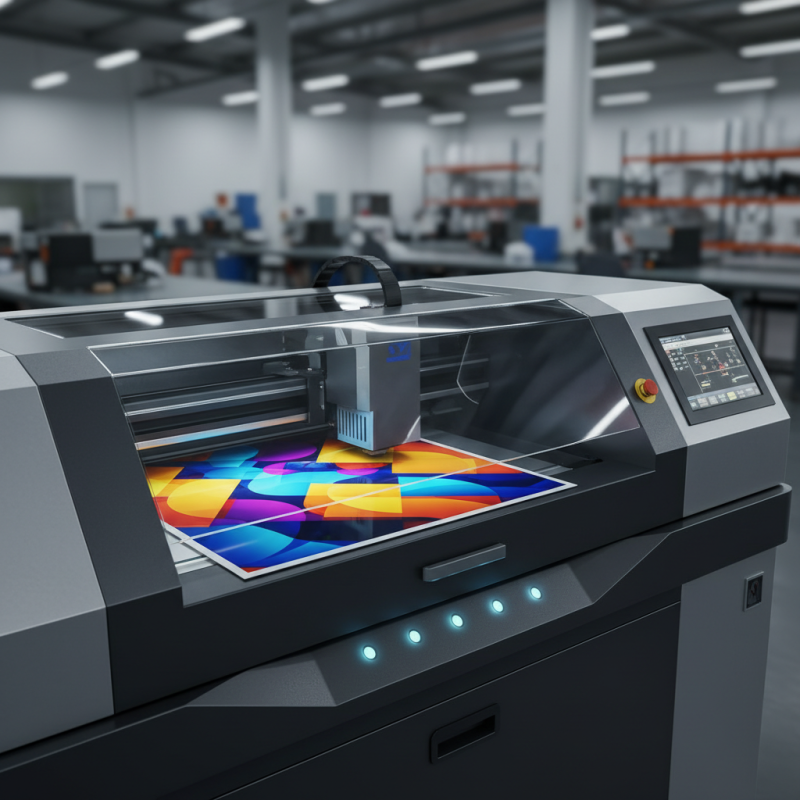
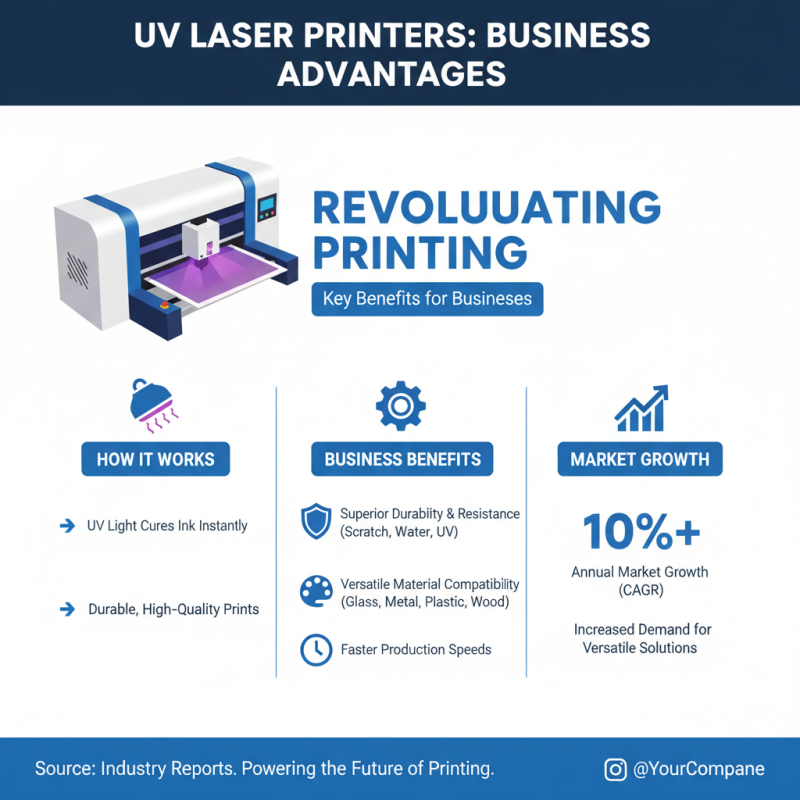
UV laser printers are revolutionizing the printing industry, offering unique benefits for businesses. These printers utilize ultraviolet light to cure ink as it's printed, resulting in high-quality, durable prints. According to recent industry reports, the UV printing market is expected to grow at a CAGR of over 10% annually, showcasing increased demand for versatile printing solutions.
For businesses, understanding how UV laser printers operate is key. They provide exceptional adhesion to various substrates, including plastics, metals, and glass. This is particularly useful for businesses that need diverse printing applications. Companies can explore options based on their design and production requirements. Be mindful that UV printing may have a steeper learning curve compared to traditional methods.
Tips: Evaluate your printing volume and variety before choosing a printer. Check compatibility with substrates you plan to use. Consider energy consumption, as some models can impact operational costs. Remember, while UV printers are increasingly reliable, ongoing maintenance is crucial. Plan for potential downtime to avoid disruption in workflow.
Key Features to Consider When Choosing a UV Laser Printer
When selecting a UV laser printer, several key features must be considered. One of the most important aspects is the print resolution. A high DPI (dots per inch) ensures sharp images and crisp text. Printers with resolutions greater than 1200 DPI are preferred by many professionals. According to a recent industry report, 85% of businesses noted that enhanced resolution directly impacts customer satisfaction.
Another critical feature is the speed of printing. For businesses with high-volume requirements, choosing a printer that can handle at least 30 pages per minute is essential. Speed can increase overall productivity and reduce wait times. Comfortably, some models now offer speeds exceeding 60 pages per minute, making them valuable assets for busy work environments.
Additionally, the versatility of media types supported by the printer cannot be overlooked. A good UV laser printer should handle various materials, from paper to plastic and metal. This adaptability can open new business avenues. Failure to consider this could result in lost opportunities. In fact, 78% of users reported needing to switch printers after realizing their current one could not accommodate necessary materials. Choosing wisely, therefore, can make or break pricing strategies and production capabilities.
Top UV Laser Printer Brands and Their Offerings
When selecting a UV laser printer, understanding the offerings from various brands is crucial. Different manufacturers provide unique features that cater to specific business needs. Some models focus on high-speed printing, while others prioritize versatility in handling various materials. Knowing what fits your business helps streamline the selection process.
Several renowned brands have established a strong reputation in the UV laser printing sector. They offer a mix of robust performance and innovative technology. For example, look for printers equipped with advanced cooling systems, ensuring consistent output quality over extended printing sessions. It's also worth considering options with customizable print settings, allowing businesses to fine-tune their results based on project requirements.
Despite the industry's advancements, some challenges persist. The initial cost of UV laser printers can be significant, which might not suit all budgets. Additionally, maintenance and operational costs can add up over time. Understanding these factors is essential when assessing long-term investments. Being aware of your specific needs will help you navigate the choices available and make a more informed decision.
What is the Best UV Laser Printers for Your Business Needs?
| Printer Type |
Max Print Resolution |
Print Speed (ppm) |
Media Handling |
Connectivity Options |
| Flatbed UV Printer |
1200 x 1200 dpi |
20 ppm |
Rigid and flexible media |
USB, Ethernet |
| Industrial UV Printer |
600 x 1200 dpi |
15 ppm |
Large format, various substrates |
Wi-Fi, USB |
| Desktop UV Printer |
720 x 720 dpi |
10 ppm |
Paper, plastics |
USB, Bluetooth |
| Label UV Printer |
1200 x 1200 dpi |
25 ppm |
Labels and tags |
USB, Ethernet |
Evaluating UV Laser Printers for Specific Business Applications
When evaluating UV laser printers for specific business applications, it's essential to consider the unique needs of your operations. The choice of materials, color accuracy, and printing speed can vary significantly depending on the industry. For instance, packaging businesses may prioritize printers that can handle diverse substrates, while those in signage might seek out superior durability and vibrant colors.
Quality assurance is key in this selection process. Printing samples can reveal how well a UV laser printer matches the desired specifications. Pay attention to factors like resolution and clarity. Even minor inconsistencies can affect the final product's appeal. Some companies might find that their initial choice does not meet their expectations. Testing multiple printers can provide clearer insights.
Consulting experts or industry leaders can also offer invaluable perspectives on which printers excel in specific contexts. Understanding your production environment helps in refining your selection criteria. Don't be afraid to adjust your requirements as new technologies emerge. It's a dynamic field that continuously evolves, making it crucial to stay informed and open-minded.
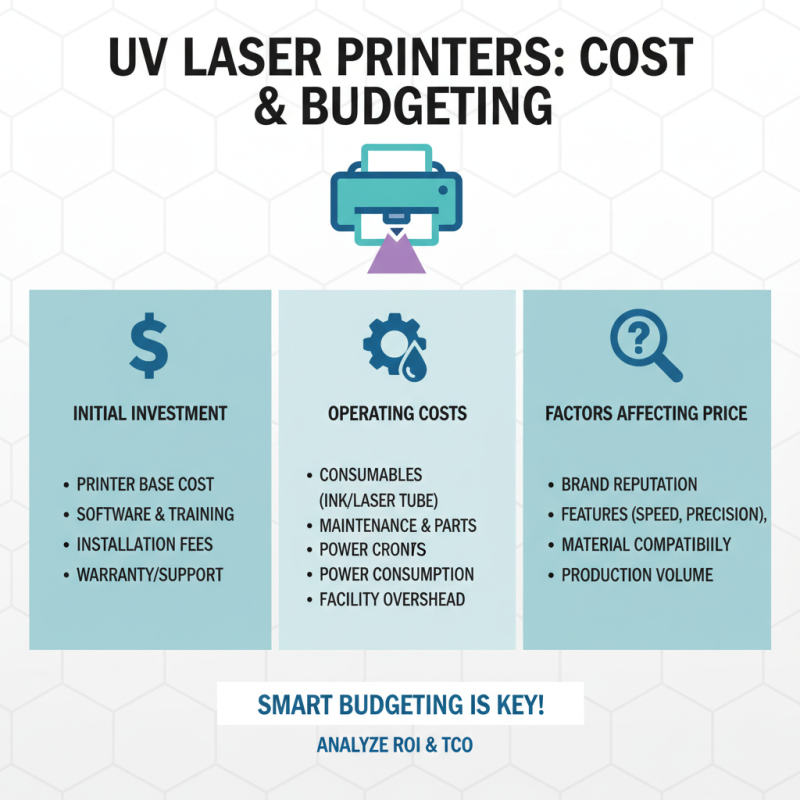
Cost Analysis and Budgeting for UV Laser Printers in Business
When considering UV laser printers for business needs, budgeting is crucial. These printers can be a significant investment. Prices vary based on brand, features, and intended use. Understanding these factors is vital for effective cost analysis.
Tips: Assess your printing volume. High-volume needs can justify higher upfront costs. Calculate potential savings on materials and labor. This helps in making a thorough budget.
Additional costs may arise, including maintenance and supplies. Research typical lifespan and service expenses. This will help avoid unexpected expenses. Also, consider the learning curve for your team. Training might take time and resources.
Tips: Factor in future scalability. Will your business grow? Will you need more capabilities later? Evaluating these points now can save money in the long run. Balancing costs and benefits is essential for smart spending.

 Send Email
 18929582815