Top Uv Laser Printers for Your Business Needs?
In the realm of modern printing technology, UV laser printers have become essential for businesses. These machines offer incredible precision and versatility. As an expert in the field, Dr. Emily Chen states, “UV laser printers transform the way industries manage their printing needs.” This transformative process includes everything from durable labels to stunning graphics on various materials.
With the ongoing evolution of UV laser printers, businesses are discovering unmatched efficiency. The ability to print on a wide range of substrates creates opportunities for customization. However, selecting the right printer can be challenging. There are numerous options available, each tailored to different business specifications.
Understanding the capabilities of UV laser printers can shape a company's output. Yet, many businesses overlook critical features that impact performance. It’s crucial to consider factors such as speed and compatibility. Investing in the wrong machine can lead to frustration and wasted resources. Embracing the right UV laser printer can elevate your business, but research is vital.
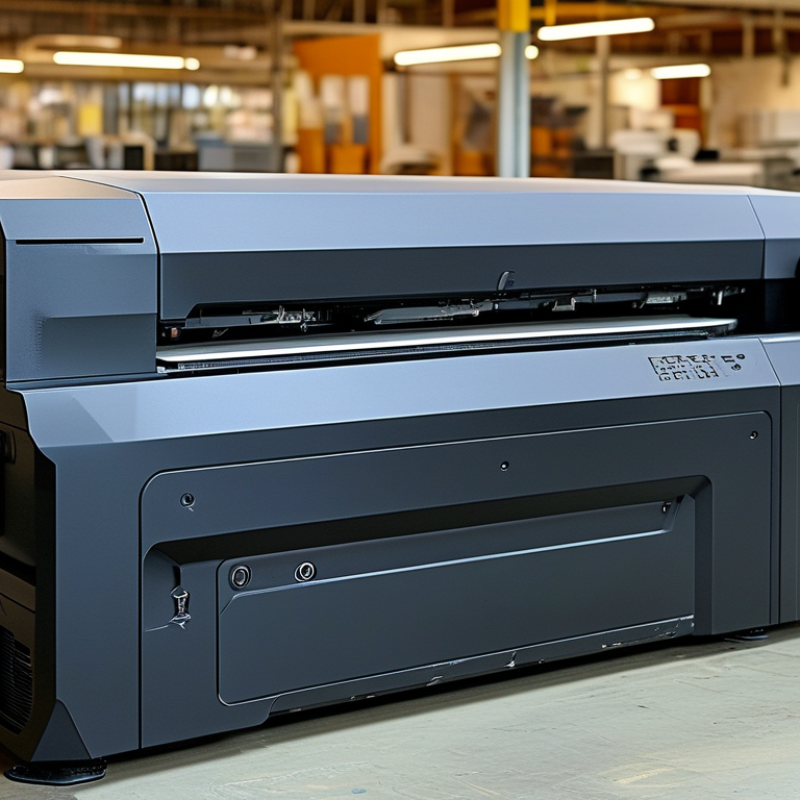
Understanding UV Laser Printers and Their Applications in Business
UV laser printers have become essential tools for numerous business applications. These printers use ultraviolet light to cure inks, leading to vibrant colors and durable finishes. According to a recent industry report by Smithers Pira, the UV printing market is projected to grow by 12% annually until 2026. This rapid growth reflects their increasing adoption across different sectors.
In packaging, UV laser printers are revolutionizing the way products are marked and labeled. They allow for inline printing directly on substrates like plastic, metal, and glass. This capability reduces waste and enhances production speed. However, not every UV printer can handle all materials, which can lead to errors. Investing in the right technology ensures that businesses avoid costly mistakes, but this requires careful consideration and testing.
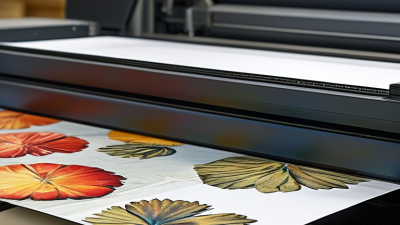
Another significant use is in promotional products. UV laser printers provide high-resolution images on various items, from promotional giveaways to signage. An estimated 35% of businesses are exploring UV printing for custom merchandise. Yet, adapting to this technology can come with a learning curve. Staff must be trained to operate new equipment properly. Miscommunication during this transition can lead to subpar results and frustration. Addressing these challenges is essential for maximizing the benefits of UV laser printing in any business strategy.
Top UV Laser Printers for Your Business Needs
Key Features to Consider When Choosing a UV Laser Printer
When selecting a UV laser printer, clarity in your needs is crucial. Think about your business type. Do you need vibrant colors or sharp images? Knowing this will guide your choice effectively.
Consider the printing speed. A faster printer can handle higher volumes, which is beneficial for busy environments. However, speed shouldn't sacrifice quality. Some fast printers produce subpar results. Investigate samples before purchasing.
Tips: Always review customer feedback. This can highlight performance issues faced by other users. Analyze their experiences, which aids in making an informed choice.
Connectivity options are another key feature. Look for printers that can easily integrate with your existing systems. Flexibility in connectivity can streamline your workflow and reduce downtime. Ensure the printer can operate across multiple devices, if necessary.
Furthermore, investigate maintenance requirements. Some printers may require frequent servicing, which can impact productivity. Understanding these aspects can prevent unexpected challenges later. Balancing initial costs with long-term maintenance is essential.
Top Brands and Models of UV Laser Printers for Various Budgets
When selecting a UV laser printer, businesses should consider both budget and functionality. A report by Smithers indicates that the market for UV laser printing is expected to reach $2.7 billion by 2026. This growth reflects increased demand for versatile printing solutions across various industries. For those on a tighter budget, entry-level models provide essential features without compromising quality. These printers can produce vibrant colors on various substrates, making them popular among small businesses.
For mid-range budgets, several brands offer models that include advanced features like faster print speeds and enhanced resolution. According to a study by ResearchAndMarkets, mid-tier UV laser printers can improve production efficiency by up to 30%. More expensive options typically feature cutting-edge technology and customizable settings. However, businesses must evaluate whether such features truly align with their operational needs.
While high-end models boast impressive capabilities, spending on unnecessary features can lead to regret. It's crucial to weigh the return on investment carefully. The right choice should balance performance with price, ensuring businesses can meet their needs without overspending. Considerations like ease of maintenance and customer support also play a vital role in the long-term satisfaction with a printer.
Maintenance and Operating Costs of UV Laser Printers
When considering UV laser printers, maintenance and operating costs are crucial factors that directly impact your budget. According to recent industry reports, the average cost of servicing a UV laser printer can range from $500 to $1,500 annually. This includes regular maintenance, parts replacement, and occasional repairs. Users should be prepared for these expenses to ensure optimal performance.
Operating costs also play a significant role. The energy consumption of UV laser printers can be significantly higher than that of traditional printers, sometimes consuming upwards of 300 watts. This translates to increased energy bills. Furthermore, the cost of UV ink is typically higher than standard ink, with prices averaging around $0.15 to $0.30 per milliliter. Factoring in all these costs is essential for businesses that plan to utilize these printers regularly.
While UV laser printers offer high-quality output, reflections on their overall costs reveal potential hidden expenses. Not all users might fully appreciate the long-term investment required. Proper training for staff is vital, as improper handling can lead to additional costs due to damage or inefficient use. Balancing the benefits of superior quality and speed against these ongoing expenses is a challenge worth addressing.
Comparing UV Laser Printers to Other Printing Technologies
When comparing UV laser printers to other printing technologies, several factors come into play. UV laser printers offer unique benefits like quick drying times and high-quality output on a variety of materials. They produce vibrant colors and crisp details that stand out. However, they may come with a higher initial cost, which can be a concern for small businesses.
In contrast, traditional inkjet and toner printers are often more affordable upfront. Yet, they may not provide the same level of durability or versatility. For example, inkjet printers may smudge or fade over time, especially in high-humidity environments. This requires businesses to consider long-term costs when they think about printing needs.
UV technology also has a smaller environmental footprint. It uses fewer harmful chemicals compared to conventional inks. Still, businesses should assess their local recycling options for materials printed with UV inks. Understanding these differences is crucial for making an informed decision that aligns with specific business objectives. Driven by personal experience, it is evident that careful consideration of quality and cost is vital.

 Send Email
 18929582815