Top 10 Tips for Choosing the Best UV Laser Printers?
In the dynamic world of printing technology, choosing the right UV laser printers is crucial for businesses. The global UV printer market is projected to reach $10 billion by 2027, highlighting significant growth. UV laser printers are known for their ability to print on diverse materials, offering versatility that traditional printers cannot.
However, not all UV laser printers are created equal. Experience tells us that quality, speed, and cost-effectiveness vary widely among brands. A recent industry report notes that up to 30% of businesses reported issues with printer reliability which directly affected their output. Evaluating options carefully can prevent costly mistakes.
Investing in the right UV laser printer enhances productivity and offers a competitive edge. Attention to features like print resolution, speed, and customer support is essential. While it may be tempting to choose the most advanced model, understanding your specific needs is equally important. Taking the time to reflect on these factors will lead to a more informed decision.
Understanding UV Laser Printer Technology
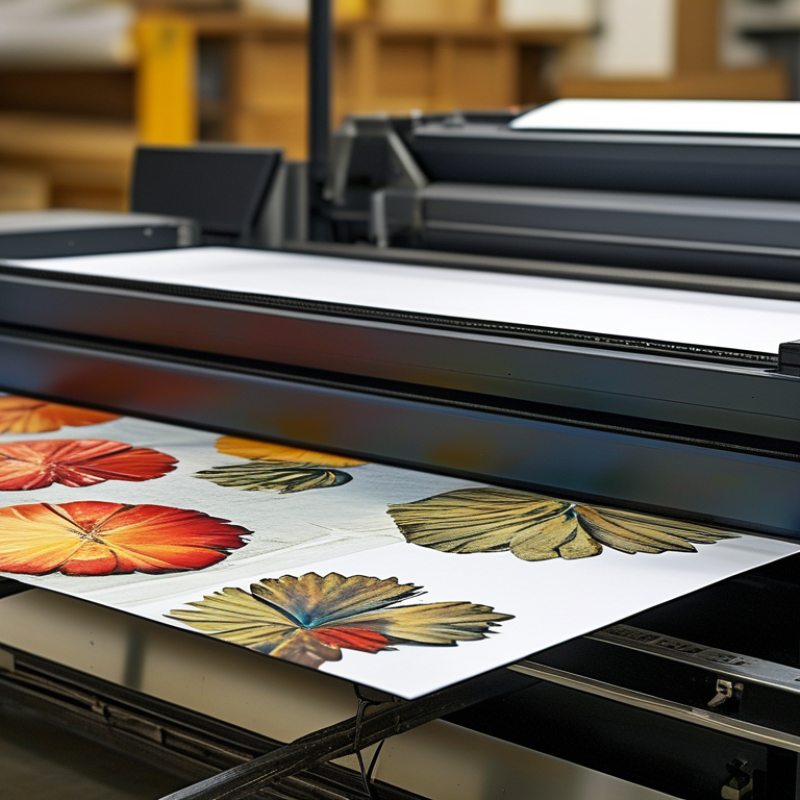
UV laser printer technology is revolutionizing the printing industry. These printers use ultraviolet light to cure ink as it prints, ensuring crisp and vibrant colors on various surfaces. This method offers a significant advantage over traditional printers. The UV curing process allows for immediate handling of printed materials, reducing the risk of smudging. According to a report by Smithers Pira, the UV printing market is expected to grow by 9% annually. This growth highlights the increasing adoption of UV printers in various sectors.
Despite the advantages, there are challenges to consider. The initial investment cost of UV laser printers can be higher than that of conventional printers. Additionally, the selection of compatible materials can be limited. Not all substrates respond well to UV printing. Certain materials may cause adhesion issues or produce less vibrant results. It’s essential to evaluate the types of materials you'll be printing on before purchasing.
Moreover, the technology is constantly evolving. Innovations in UV inks and printing methods can lead to unexpected changes in print quality and performance. Regularly assessing your equipment and processes is necessary. Such reflections will help optimize printing operations and ensure high-quality output. The balance between cost, functionality, and quality remains crucial in making informed decisions in this dynamic market.
Key Features to Consider When Choosing a UV Laser Printer
When selecting a UV laser printer, it’s essential to focus on key features that match your needs. One critical aspect is the print resolution. Higher resolutions lead to sharper images and text. Industry reports indicate that a resolution above 1200 DPI is ideal for prints requiring fine detail. Additionally, pay attention to print speed. The average UV laser printer can produce around 40-50 pages per minute. Fast printing can significantly enhance workflow efficiency.
Another important feature is media compatibility. A versatile printer should handle various materials like plastic, metal, or paper. Data suggests that approximately 70% of companies prefer printers that can accommodate diverse substrates. Evaluate the cost of consumables as well. Some printers may have lower initial costs but higher maintenance expenses. This discrepancy can catch users off guard. It's also worth noting that the printer’s software should be user-friendly. Complicated interfaces can slow down production and cause frustration.
Lastly, consider the overall build quality and serviceability. A robust printer will last longer and require less frequent repairs. Research indicates that 60% of users experience issues with poorly constructed devices. Be mindful of warranty terms and customer support reliability. These factors can greatly affect your long-term satisfaction and operational efficiency. Make informed decisions to ensure you choose a printer that truly meets your requirements.
Top 10 Tips for Choosing the Best UV Laser Printers
| Feature |
Description |
Importance Level |
| Print Speed |
Consider the number of pages per minute that the printer can produce. |
High |
| Print Quality |
Look for resolution capabilities and overall output quality. |
High |
| Material Compatibility |
Ensure it can print on various materials like metal, wood, and plastic. |
Medium |
| Cost of Ownership |
Consider ink costs, maintenance, and energy consumption. |
High |
| User-Friendly Interface |
Check for easy controls and intuitive software. |
Medium |
| Durability |
Select a model known for its reliability and lifespan. |
High |
| Warranty and Support |
Check for warranty terms and customer support services. |
Medium |
| Size and Portability |
Evaluate if the size fits your workspace and needs. |
Low |
| Connectivity Options |
Look for USB, network, and wireless capabilities. |
Medium |
| Energy Efficiency |
Consider energy consumption and eco-friendly options. |
Medium |
Assessing Print Quality and Speed Requirements
When selecting UV laser printers, evaluating print quality and speed is essential. Print quality is not merely about resolution. It encompasses color accuracy, consistency, and detail replication. For many users, the clarity of text and images matters significantly. A printer may offer high speeds, but if the output is mediocre, it can lead to wasted time and resources. Look for samples of printed material to assess these qualities firsthand.
Speed is another critical factor to consider. A printer’s speed is often measured in pages per minute (PPM). However, real-world performance can differ from stated figures. Factors like print settings and media type can impact output speed. It's wise to gauge how quickly a printer can handle various tasks. Sometimes, a slower printer with excellent quality can outperform a faster one if it produces superior prints.
Balancing print quality and speed can be challenging. Users must determine their specific needs. Those focused on graphics should prioritize quality, while businesses seeking high-volume printing might require speed. Reflecting on one's requirements often leads to better decisions. In the end, it’s about finding a printer that aligns with your unique demands and workflow.
Evaluating Cost-Effectiveness and Maintenance Needs
When selecting a UV laser printer, evaluating cost-effectiveness and maintenance needs is crucial. One key aspect is the total cost of ownership (TCO). Research indicates that the TCO for UV printers can exceed traditional printers by up to 30%. This figure reflects not just the purchase price but also operational costs like ink, parts, and maintenance.
Regular maintenance is often overlooked. UV printers require specific upkeep, including cleaning and lamp replacements. Studies show that neglecting maintenance can lead to a 15% decrease in print quality. Over time, this can escalate costs due to increased waste and reprints. Users should account for these factors when making decisions.
Another consideration is energy consumption. A recent study emphasizes that UV printers can use 40% more power than conventional options. While they produce high-quality outputs, this energy use can impact long-term budgets. Balancing initial investments with ongoing expenses is essential. Thoughtful analysis will lead to better choices.
Top 10 Tips for Choosing the Best UV Laser Printers
Exploring Brand Reputation and User Reviews for UV Printers
When selecting a UV laser printer, brand reputation plays a crucial role. Established brands often have a reputation built on years of innovation and quality. Researching how long a brand has been in the UV printing market can reveal their expertise. Reading user reviews is equally vital. Genuine user feedback may shed light on any recurring issues. Look for patterns in customer ratings. If a printer consistently receives negative feedback, it might be a red flag.
User reviews often highlight the pros and cons of specific models. Consider aspects such as print quality, speed, and durability. Positive reviews about a printer’s reliability can provide assurance. Conversely, frequent complaints about customer service suggest caution. Transparency is key. Evaluate reviews across multiple platforms for a balanced perspective.
Experiment with different models to discover what suits your needs. Sometimes, user experiences may not align with your expectations. Take note of features that were overrated or underrated. This reflection can guide your final decision. Remember, what works for one person may not work for another. Therefore, being critical and analytical in your research is essential for making an informed choice.




 Send Email
 18929582815