What is Fiber Laser Marking Printers and How Do They Work?
Fiber Laser Marking Printers are revolutionizing the manufacturing and engraving industries. They harness advanced technology to precisely mark various materials. According to Dr. Emily Chen, a leading expert in laser technology, "Fiber Laser Marking Printers offer unmatched precision and speed." This innovative method has transformed how businesses approach product labeling and customization.
In recent years, demand for Fiber Laser Marking Printers has surged. Industries from automotive to electronics increasingly rely on their capabilities. These printers are not only efficient but also versatile. They can work on metals, plastics, and even glass with remarkable accuracy. However, some users have experienced challenges with setup and maintenance. Proper training and support are crucial to maximize their potential.
The principles behind Fiber Laser Marking Printers involve converting a laser beam into a fine focus. This allows for intricate designs on a small scale. While they are generally reliable, users must regularly assess their performance. Understanding the technology can lead to better utilization. Hence, careful consideration of both benefits and limitations is essential for success.
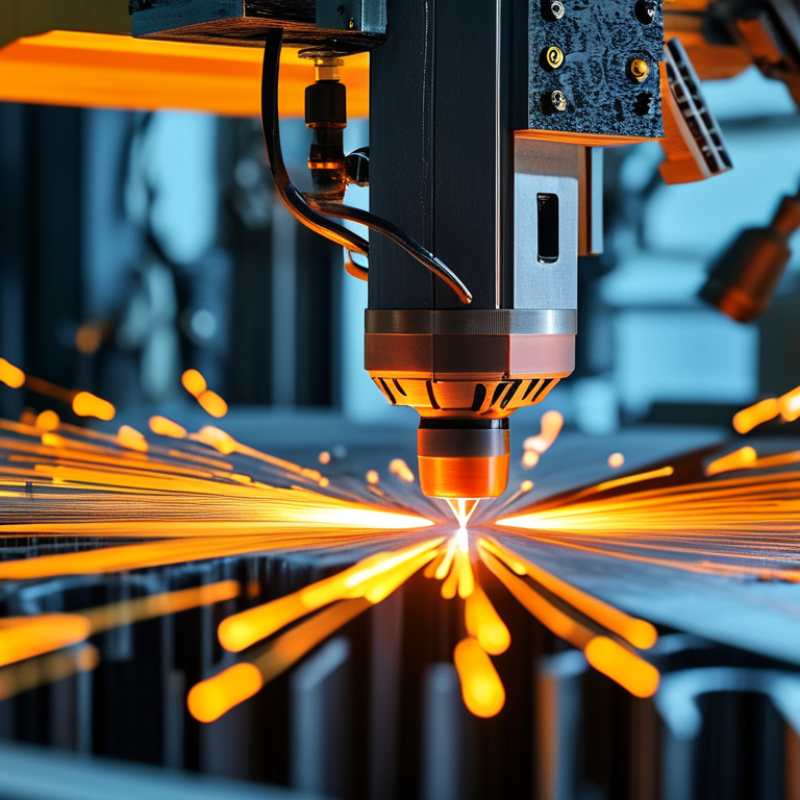
Definition and Overview of Fiber Laser Marking Printers
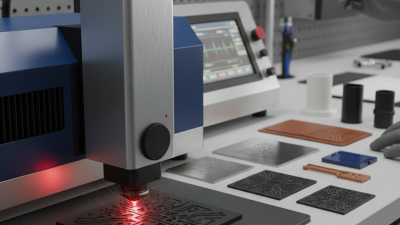
Fiber laser marking printers use advanced laser technology to engrave or mark materials. These devices emit a focused beam of light that interacts with the surface of various materials. The result is a permanent mark that can include logos, serial numbers, or other text. Many industries use fiber laser marking due to its efficiency and precision.
The core component of these printers is the fiber laser source. Unlike traditional lasers, fiber lasers generate high-quality beams with minimal energy loss. This means they can work on metals, plastics, ceramics, and more. The marking process is fast, often taking just seconds to complete, making them ideal for high-volume production environments.
However, some challenges exist. The initial cost of fiber laser systems can be high. Maintenance requires expertise and knowledge of the technology. Users must undergo training to optimize the printing process. Understanding these limitations is essential for successful implementation.
Principle of Operation for Fiber Laser Marking Technology
Fiber laser marking technology relies on focused laser beams to etch or engrave materials. This method utilizes a fiber laser, which generates a high-intensity beam through a fiber-optic cable. The laser beam is directed onto the material’s surface, creating precise markings. When the laser heats the surface, it induces a reaction that alters the material's properties. This process does not produce waste, making it efficient.
The principle of operation hinges on selective material absorption. Different materials react differently to the laser light. Metals, plastics, and ceramics can all be marked, but the results vary. Some materials require longer exposure for effective marking. Others may suffer damage if the laser is not calibrated precisely, leading to burnt edges or distorted images.
Fiber lasers offer flexibility and precision. They can create intricate designs and barcodes easily. However, achieving the best quality often requires a deep understanding of both the material and laser settings. This intricate balance can lead to mistakes. Operators must be vigilant and prepared to adjust parameters to perfect the results. Continuous learning in this technology is crucial for optimal outcomes.
What is Fiber Laser Marking Printers and How Do They Work?
| Dimension |
Details |
| Technology Type |
Fiber Laser |
| Wavelength |
1064 nm |
| Marking Speed |
Up to 7000 mm/s |
| Application Materials |
Metals, Plastics, Ceramics |
| Cooling Method |
Air-cooled or Water-cooled |
| Power Consumption |
Between 20W to 100W depending on model |
| Lifespan |
More than 100,000 hours |
| Control Software |
Compatible with various CAD/CAM software |
Key Components of Fiber Laser Marking Systems
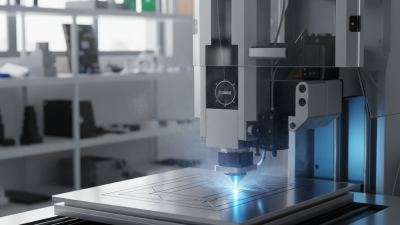
Fiber laser marking systems consist of several key components that work together to deliver precise engraving and marking solutions. The core of the system is the fiber laser source, which generates a focused beam of light. This laser can mark materials like metals, plastics, and ceramics with incredible precision. Reports indicate that fiber lasers have a lifespan of over 100,000 operating hours, making them a reliable choice for industries demanding durability.
Another essential component is the galvanometer, or galvanometer scanner. This device controls the laser beam's movement across the material. By using mirrors, the galvanometer can quickly position the laser, allowing for intricate designs. The speed and accuracy of this device are critical, as they directly impact the quality of the marking. According to industry analysis, the speed of fiber laser marking can reach up to 1,000 mm per second, significantly increasing productivity.
Additionally, an optimized cooling system ensures the fiber laser operates efficiently. Without adequate cooling, heat buildup can lead to performance degradation. This part often gets overlooked in discussions yet plays a vital role in maintaining the system’s efficiency. In some cases, users might find that thermal management requires regular assessment. Overall, understanding these components provides insight into the effectiveness and reliability of fiber laser marking systems in various applications.
Applications of Fiber Laser Marking in Various Industries
Fiber laser marking technology plays a significant role across various industries. It is widely used for its precision in marking materials like metals, plastics, and ceramics. The global fiber laser marking machine market was valued at over $1 billion in 2021, demonstrating robust growth due to increasing automation in manufacturing. This technology offers a clean, efficient solution that improves product traceability, an increasingly important aspect in sectors like aerospace and automotive.
In the medical device industry, fiber laser marking ensures that components are accurately labeled. It helps in compliance with strict regulatory standards. Likewise, the electronics industry relies on fiber lasers for marking intricate designs on circuit boards. According to a 2022 study, over 70% of manufacturers reported an increase in efficiency after adopting laser systems. However, the initial investment costs can be a barrier for some companies.
Packaging and labeling are also transformed by fiber laser engravings, offering details that last over time. Yet, the process isn't flawless. Sometimes, recurring maintenance challenges affect production schedules. Industry experts suggest that manufacturers need to weigh the benefits against potential downtime. While fiber laser marking presents clear advantages, the journey to integration demands careful consideration and planning.
Applications of Fiber Laser Marking in Various Industries
Advantages of Using Fiber Laser Marking Printers
Fiber laser marking printers offer numerous advantages, making them a popular choice in various industries.
They are renowned for their precision and ability to produce high-quality markings on diverse materials such as metals, plastics, and ceramics.
Research from MarketsandMarkets predicts that the global fiber laser market will reach $2 billion by 2025, indicating a robust growth trend.
This reflects the increasing demand for advanced marking solutions that meet stringent quality assurance standards.
One significant benefit of fiber laser marking is its durability.
Markings created by fiber lasers are resistant to wear, corrosion, and fading, ensuring longevity.
This durability is crucial, especially in industries requiring permanent labeling for compliance.
Moreover, fiber lasers operate at lower power levels, making them energy-efficient.
According to a report by Grand View Research, energy-efficient technologies can enhance productivity while minimizing operational costs, an important factor for business sustainability.
However, while fiber laser marking printers offer many advantages, there can be challenges, such as the initial investment cost.
These machines may require a learning curve for operators. Improper settings can lead to suboptimal results, which can undermine the intended benefits.
Continuous training and skill development are essential to maximize their capabilities.
Businesses must weigh these factors carefully when considering their implementation.

 Send Email
 18929582815