2026 How to Choose the Best Fiber Laser Marking Printers for Your Business?
Choosing the right Fiber Laser Marking Printers can significantly impact your business. These printers offer precision and speed, making them ideal for various applications. However, selecting the best printer requires careful consideration of your specific needs and operational demands.
Business owners often overlook essential factors when choosing Fiber Laser Marking Printers. It's not just about price. Understanding the materials you will mark is crucial. Different printers work best with specific materials. This can affect the quality and durability of the markings.
Reliability is key. If your printer frequently malfunctions, it can stall production. Researching brands with solid reputations can help. Look for user reviews and expert opinions. They provide insights into long-term performance and support services. Remember, investing in a quality Fiber Laser Marking Printer will yield better results over time.
Understanding the Basics of Fiber Laser Marking Technology
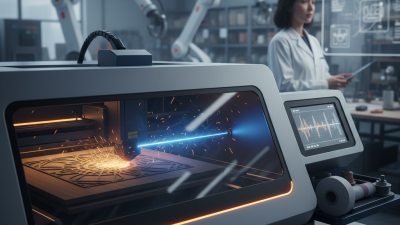
Fiber laser marking technology has transformed the way businesses engrave and mark materials. Its precision and speed offer advantages over traditional methods. Understanding the technology is crucial for making informed decisions about equipment. Fiber lasers utilize a specific type of light to create permanent marks on various surfaces. This includes metals, plastics, and even some ceramics. The laser beam is focused to a small point, enabling intricate designs and text to be marked with exceptional detail.
Choosing the right fiber laser marking printer requires knowledge about power settings and wavelengths. These factors influence the quality of the markings. Different applications might need different power levels to achieve optimal results. Some businesses may struggle with the balance between speed and detail. It's essential to evaluate the intended use. Complexity in designs can lead to discrepancies in marking, necessitating an understanding of the technology’s limitations.
Equipment reliability is another critical consideration. While fiber lasers are known for their longevity, regular maintenance is essential. Businesses often face challenges in keeping the equipment functioning smoothly. Previous experiences might highlight potential pitfalls, such as missed deadlines due to printer issues. A well-informed approach can mitigate these risks, ensuring the selected printer meets both quality and durability expectations.
Key Features to Consider When Selecting a Fiber Laser Marking Printer
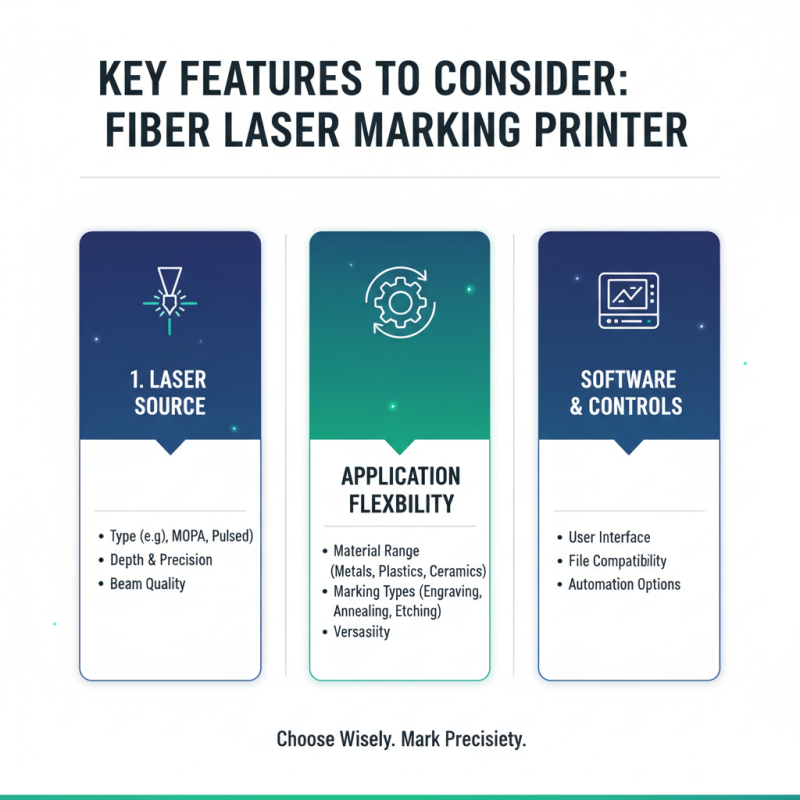
When selecting a fiber laser marking printer, consider several key features. The first is the laser source. Different lasers offer various benefits, such as depth and precision. A good printer should provide flexibility in application. Look for options that can mark a wide range of materials, from metals to plastics.
Speed is another vital factor. Fast marking speeds enhance productivity. However, it's essential to balance speed with quality. Some printers may compromise clarity for speed, leading to unsatisfactory results. Evaluate the optimal balance based on your business needs.
Ease of use matters too. A user-friendly interface improves operational efficiency. Training staff to operate complex systems takes time and resources. Look for printers that offer intuitive controls and excellent customer support. These elements can significantly impact your overall experience. Make a list of your specific requirements before making a decision. This will help you choose wisely and avoid issues later.
Evaluating Different Manufacturers and Models for Quality Assurance
When selecting a fiber laser marking printer, evaluating various manufacturers and models is crucial. Quality assurance is essential for the longevity and reliability of your investment. The right printer should deliver precise markings on different materials, ensuring clear and durable results.
Many manufacturers claim to offer superior technology, but not all live up to their promises. Investigate the build quality of printers, as well as their operational efficiency. Make sure to check customer reviews and seek feedback from current users. This insight can be invaluable in understanding real-world performance.
Tips for choosing the right model include assessing the available support resources. Some manufacturers provide better after-sales support than others. Also, consider the learning curve associated with each model. A complex machine can hinder your workflow. Balance functionality with ease of use. Aim for a printer that not only meets your marking needs but also aligns with your team's skill level.
2026 How to Choose the Best Fiber Laser Marking Printers for Your Business? - Evaluating Different Manufacturers and Models for Quality Assurance
| Model |
Laser Type |
Engraving Area (mm) |
Power (W) |
Speed (mm/s) |
Cooling Type |
Warranty (Years) |
| Model A |
Fiber Laser |
200x200 |
20 |
6000 |
Air Cooled |
2 |
| Model B |
Fiber Laser |
150x150 |
30 |
8000 |
Water Cooled |
3 |
| Model C |
CO2 Laser |
300x300 |
50 |
4000 |
Air Cooled |
1 |
| Model D |
Fiber Laser |
100x100 |
10 |
5000 |
Water Cooled |
2 |
Assessing Cost and Long-Term Investment for Your Business Needs
When selecting a fiber laser marking printer, consider the initial cost and long-term investment. Price tags can vary significantly. A cheaper option may seem attractive, but hidden costs often arise. Maintenance, parts, and operational expenses are crucial factors.
Evaluate your business needs. A more expensive model might offer durability and efficiency. It can lead to lower costs over time. Think about the production volume you expect. Higher throughput can justify a larger investment. Analyze your budget carefully, but don't overlook future savings.
Consider the technology involved. Look for a printer that offers precision and versatility. It should cater to various materials. Research the lifespan of the machine. Frequent breakdowns can drive costs up. Don’t just focus on upfront payment. Think in terms of overall value and return on investment. Take time to weigh these factors.
Ensuring Compatibility with Your Existing Production Systems and Materials
When considering fiber laser marking printers, compatibility with existing production systems is paramount. Many businesses overlook this factor. According to a recent industry report, up to 30% of production downtime is caused by integration issues between new machinery and legacy systems. Ensuring that your chosen printer can seamlessly connect with your workflow can dramatically reduce these risks.
Materials used in your current production must also align with the capabilities of the fiber laser printer. A mismatch can lead to wasted time and resources. For example, certain metals may require specific laser settings or cooling techniques. Industry surveys indicate that approximately 20% of companies encounter challenges related to material compatibility when adopting new marking technologies. Understanding your materials and how they interact with lasers is crucial for efficient operations.
Furthermore, many companies mistakenly choose printers based solely on features rather than compatibility. This oversight can create operational bottlenecks. It's essential for businesses to conduct thorough assessments before making a purchase. Engaging with technical experts or reviewing case studies from similar industries can provide valuable insights. This groundwork can lead to more informed decisions that align with your operational goals.
2026 Fiber Laser Marking Printers Comparison
This bar chart illustrates the performance metrics of various fiber laser marking printers based on processing speed, precision, and operating costs. Each printer is evaluated to help you make an informed decision for your business needs.

 Send Email
 18929582815