How to Choose the Best Fiber Laser Marking Printers for You?
Selecting the right fiber laser marking printers can be a daunting task. With so many options available, understanding your specific needs is crucial. According to John Smith, a leading expert in laser technologies, “Choosing the right fiber laser marking printer is about aligning technology with application demands.” His insights highlight the importance of not just picking a printer that looks advanced but one that fits your requirements.
In today's competitive market, fiber laser marking printers have gained prominence for their efficiency and precision. Whether you need to mark on metals, plastics, or other materials, the right printer can enhance your production process. Look for options that offer flexibility in speed and customization. Don't rush this decision, as a poor choice can lead to costly mistakes.
Consider factors like maintenance, operational costs, and after-sales support. Do your research and consult with industry professionals. This careful approach ensures that your investment in fiber laser marking printers will simplify your marking needs and boost your productivity.
Understanding Fiber Laser Marking Technology
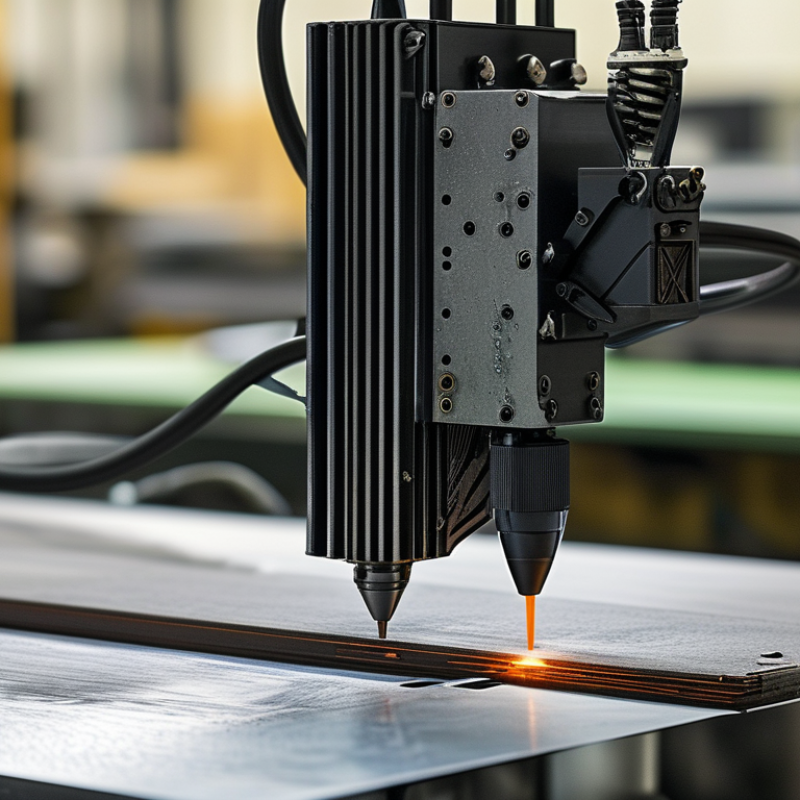
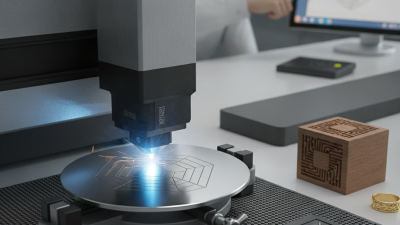
Fiber laser marking technology has become a game changer in various industries. It uses high-intensity laser beams to engrave or mark materials. This process offers precision and durability that traditional marking methods often lack. The result is a clean, high-quality mark that stands the test of time.
Understanding how fiber lasers work is essential for anyone considering this technology. These lasers emit light through optical fibers doped with rare-earth elements. The light then focuses on the target surface, creating a permanent mark. This method is efficient, but selecting the right machine can be daunting. Factors like power output, speed, and software compatibility play vital roles.
While many operators appreciate the ease of use, there are some drawbacks. Not all materials are suitable for fiber laser marking. Some might require special conditions or pre-treatment. Ignoring these can lead to unsatisfactory results or damage. Therefore, it's crucial to evaluate specific needs and test different setups to find the best fit.
Comparison of Fiber Laser Marking Printer Specifications
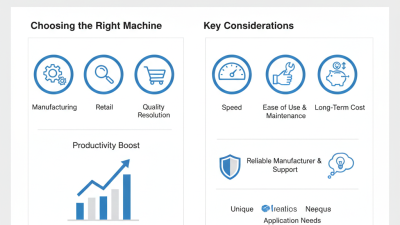
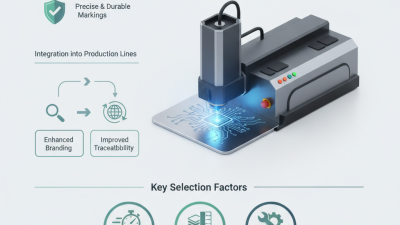
Key Factors to Consider When Choosing a Fiber Laser Marking Printer
When selecting a fiber laser marking printer, several key factors come into play. First, consider the type of materials you will mark. Fiber lasers are highly effective on metals, plastics, and ceramics. A study by TechNavio revealed that the global fiber laser market is expected to grow by 18% from 2021 to 2025. This growth reflects increased industrial adoption, indicating the technology's reliability and performance.
Another vital factor is the laser power. Higher wattage typically offers deeper penetration and faster marking speeds. A printer with 20W might suffice for lighter tasks, but for demanding applications, a 50W or 100W laser could be necessary. Before making a decision, evaluate the specific needs of your operations.
Tips: Test different printers in your operational environment to see how they perform on your materials. Consider maintenance costs as well; sometimes, a
cheaper initial choice can lead to higher long-term expenses.
Ultimately, the user experience plays a crucial role. The interface should be intuitive, allowing easy adjustments. Research customer reviews and technical support options to gauge reliability. As technology advances, reflecting on your choices will yield better future investments.
Comparing Different Fiber Laser Marking Printer Brands and Models
Choosing the right fiber laser marking printer involves careful comparison of various brands and models. Each printer has unique features tailored for specific applications. Some are designed for high-speed marking, while others excel in precision. Understanding the pros and cons of each type is essential.
When evaluating different printers, consider the material you’ll be marking. Metals, plastics, and ceramics each require different wavelengths for optimal results. Some models may struggle with certain materials, leading to unsatisfactory engravings. User reviews can shine a light on common issues faced by operators, offering insight into real-world performance.
Price ranges can vary widely based on features. More expensive options often come with advanced capabilities, but they may not always justify the cost. Assessing your specific needs is crucial. Sometimes, a mid-range model may be sufficient, while more complex tasks could necessitate a more robust device. It’s key to reflect on both your short-term goals and long-term investment in laser technology.
How to Choose the Best Fiber Laser Marking Printers for You?
| Feature |
Option 1 |
Option 2 |
Option 3 |
| Laser Power |
20W |
30W |
50W |
| Marking Area |
100 x 100 mm |
200 x 200 mm |
300 x 300 mm |
| Speed |
7000 mm/s |
8000 mm/s |
10000 mm/s |
| Support Material |
Metal |
Plastic |
Ceramics |
| Cooling System |
Air Cooling |
Water Cooling |
Chiller System |
| Price Range |
$2,000 - $4,000 |
$3,500 - $6,000 |
$5,000 - $10,000 |
Assessing Budget and Cost-effectiveness in Fiber Laser Printers
When selecting fiber laser marking printers, budget and cost-effectiveness are critical factors. According to a report by MarketsandMarkets, the fiber laser market is projected to reach $2.1 billion by 2027. This growth indicates a thriving industry, but it also means that buyers must be diligent about spending wisely. The average cost of a fiber laser marking printer ranges between $15,000 and $30,000. It’s important to assess what features are essential for your specific applications.
While high initial costs can seem daunting, consider the long-term savings. Fiber lasers boast a lifespan of about 100,000 hours, which can reduce operational costs significantly over time. Additionally, they consume less electricity and require minimal maintenance. Reports suggest that switching from traditional marking systems to fiber lasers can yield savings of up to 40% in total operating costs. However, be wary of over-committing to lavish features that may not enhance your production needs.
Evaluate your specific needs and consider potential productivity gains. Investing in a fiber laser may not yield instant results; a thorough analysis is needed. It's crucial to assess your production volume and the types of materials you will work with. Some printers might appear cost-effective initially but may lead to higher costs if they don’t meet your production demands. The balance between cost and efficiency must be carefully navigated.
Evaluating Support and Maintenance Options for Your Laser Printer
When selecting a fiber laser marking printer, evaluating
support and maintenance is crucial. This aspect often determines the
longevity and efficiency of your equipment. Reliable technical support ensures that any issues are
addressed promptly. Look for manufacturers who provide clear communication channels. Timely
responses to inquiries can save you valuable production time.
Maintenance is another key consideration. Regular upkeep keeps your fiber laser printer operating
smoothly. Some printers offer user-friendly maintenance options, while others may require
professional service. Check the availability of service technicians in your area. Local support can make
a significant difference in minimizing downtime.
It's also wise to review maintenance contracts. Some plans
cover standard issues, while others include more comprehensive services. Read the fine print. A
good contract can provide peace of mind, but unclear terms can lead to unexpected costs. Ensure you
understand what is included. This reflection on support and maintenance choices will guide you in
finding a printer that meets your specific needs.

 Send Email
 18929582815