What is a Fiber Laser Marking Printer and How Does it Work?
Fiber Laser Marking Printers are revolutionizing the way industries mark and engrave their products. According to Dr. Emily Chang, a renowned expert in the field, "Fiber laser technology has transformed precision marking." This innovation offers high efficiency and accuracy in a variety of applications.
These printers use a focused beam of light to create permanent markings on various surfaces. They are widely used in manufacturing, jewelry, and metal applications. The ability to mark intricate designs without the need for physical contact is a game-changer. Metal, plastic, and wood can all be marked effortlessly.
While the advantages are clear, there are challenges in the market. Selecting the right Fiber Laser Marking Printer requires understanding different technologies and capabilities. It's vital to consider the material and required resolution. Continuous developments expand the printer's potential, but caution is necessary in adapting to new technologies. Engaging with experts like Dr. Chang enriches this journey, transforming hurdles into opportunities.
Definition of Fiber Laser Marking Printer and Its Applications
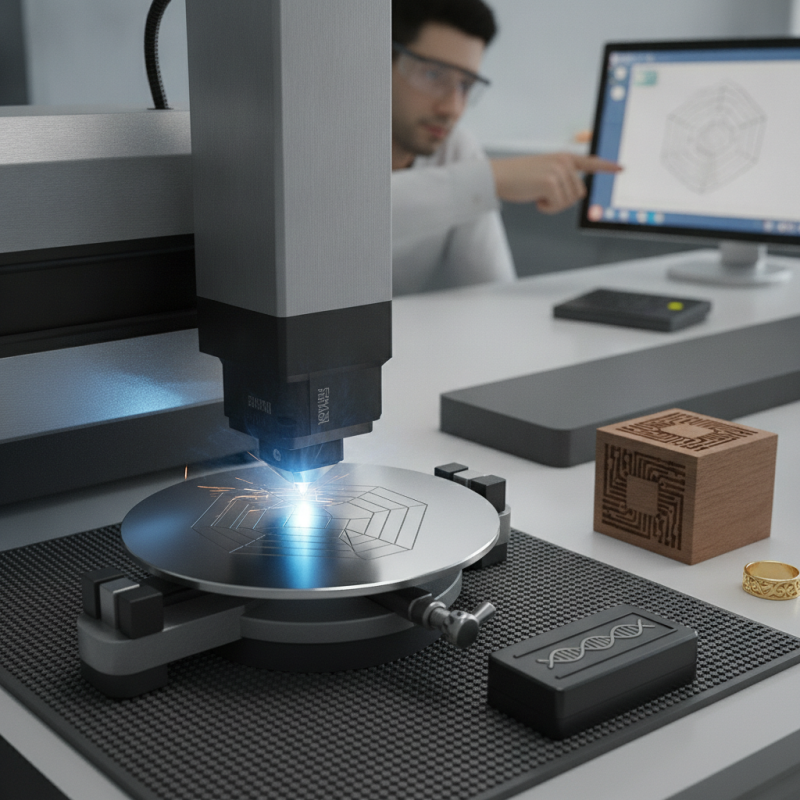
A fiber laser marking printer is a specialized tool used for marking and engraving various materials. It employs a high-powered laser beam to create permanent markings. Common applications include item identification, branding, and part numbering. These printers are utilized in industries like automotive, electronics, and medical devices. Their precision and speed make them valuable assets in manufacturing.
The technology behind fiber laser printers involves a fiber-optic laser source. This source generates a focused beam that can etch or mark on metal, plastic, and other materials. Operators appreciate the low maintenance and long operational life of these printers. However, understanding the correct settings for different materials is crucial. Misconfigured settings can lead to suboptimal results. The ability to customize depth and clarity is pivotal.
While fiber lasers are reliable, challenges exist. Operators must be cautious of overheating, which can damage some materials. Training is essential to maximize efficiency and minimize errors. The versatility of fiber laser marking printers continues to grow, yet users must stay updated with advancements in technology to ensure product quality. Regular maintenance checks and proper training are key to leveraging their full potential.
What is a Fiber Laser Marking Printer and How Does it Work?
| Feature |
Description |
Applications |
| Technology |
Uses fiber optic technology to generate laser beams |
Metal marking, plastic engraving |
| Marking Speed |
High-speed marking with fast processing times |
ID badges, product labels |
| Durability |
Provides permanent marks that withstand wear and tear |
Automotive parts, medical devices |
| Material Compatibility |
Can mark a variety of materials including metals and plastics |
Jewelry, tools, electronics |
| User-Friendly |
Easy to operate with intuitive software |
Small businesses, industrial applications |
Principles of Fiber Laser Technology in Marking Processes
Fiber laser marking technology utilizes a highly concentrated beam of light to create permanent marks on various materials. This process relies on the principle of photonic excitation. When the laser beam strikes a surface, it generates intense heat. This heat causes the material to vaporize or change color, resulting in a clearly defined mark. Fiber lasers are popular due to their precision and ability to work on metals, plastics, and more.
Tips: When choosing a fiber laser marking system, consider the material you'll be marking. Different materials require different settings. Test a small sample first. Overheating can lead to unwanted damage.
The efficiency of fiber laser marking comes from its ability to produce high-quality results quickly. The technology can operate at high speeds, which is crucial for high-volume production environments. However, while fiber lasers are versatile, they require proper maintenance. Dust or contamination on the lens can diminish marking quality. Regular cleaning is essential for optimal performance.
Tips: Regularly check the lens for dust or scratches. A clean lens means clearer marks. Avoid using abrasive materials during cleaning. Proper maintenance can extend the life of your equipment.
Key Components of a Fiber Laser Marking Printer
Fiber laser marking printers are becoming increasingly popular in various industries. Their precision and efficiency are unmatched. Understanding the key components of these printers can help users appreciate their functionality.
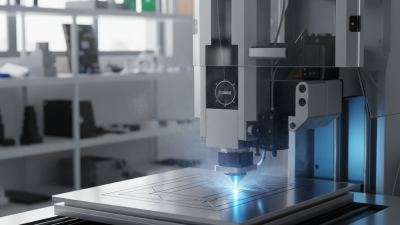
At the heart of a fiber laser marking printer is the fiber laser source. This component generates laser light with high intensity. The light is emitted through optical fibers, allowing for increased stability and robustness. It contributes to the consistent quality of the markings produced. Another essential part is the galvanometer system. This is a motorized device that moves the laser beam with incredible speed and accuracy. It enables rapid marking on surfaces without losing detail.
Additionally, the cooling system plays a vital role. It prevents overheating and ensures longevity. Proper cooling maintains the integrity of the fiber laser during extended use. Moreover, control software is crucial for operation. It allows users to customize their designs and manage settings. Users often find the software challenging at first. However, with practice, their skills improve. Overall, understanding these components highlights the advanced technology behind fiber laser marking printers. This knowledge can lead to better usage and optimization of these machines.
Advantages of Using Fiber Laser Printers Over Traditional Methods
Fiber laser printers offer numerous advantages over traditional marking methods. These printers can achieve high precision while generating minimal heat, which reduces the risk of material distortion. Compared to mechanical engraving or inkjet printing, fiber lasers provide deeper and more durable markings on various materials such as metals, plastics, and ceramics. The speed of fiber laser printers is also remarkable. They can complete projects much quicker than older methods, enhancing productivity in manufacturing settings.
When considering fiber laser printers, be aware of a few key tips. Regular maintenance is essential to ensure optimal performance. Even minor wear can affect output quality. It’s crucial to understand the material you are working with, as different substrates may require specific settings. Experimenting with speed and power settings can lead to the best results.
Adopting fiber laser technology may seem complex for some. Training may be necessary for operators to maximize efficiency. However, the investment often pays off in the long run. With their reliability and low operational costs, fiber lasers are an excellent choice for businesses looking to modernize their marking processes.
Comparison of Fiber Laser Printers and Traditional Marking Methods
This chart illustrates the comparison of fiber laser printers against traditional marking methods across various dimensions such as speed, precision, cost, maintenance, and versatility. Fiber laser printers typically outperform traditional methods in most efficiency metrics, indicating their advantages for marking tasks.
Common Industries Using Fiber Laser Marking Technology
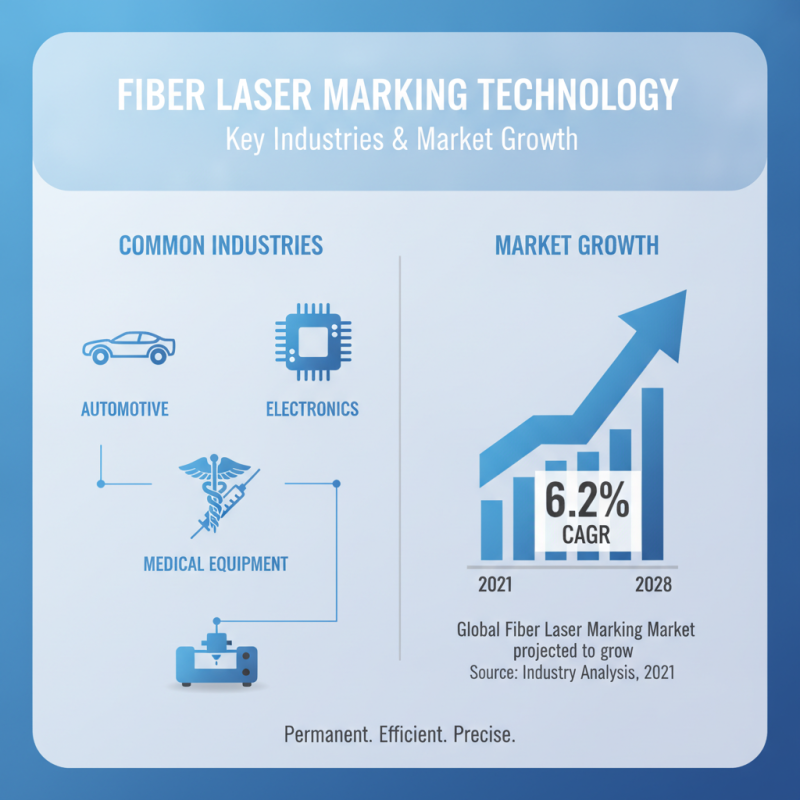
Fiber laser marking technology is making significant waves in various industries. This method utilizes high-powered lasers to create permanent marks on materials. Common sectors utilizing this technology include automotive, electronics, and medical equipment manufacturing. According to a recent industry analysis, the global fiber laser marking market is projected to grow at a CAGR of 6.2% from 2021 to 2028. This growth is indicative of the technology's efficiency and precision in marking processes.
In the automotive industry, fiber lasers enable manufacturers to mark vehicle identification numbers (VINs) and other critical components with high precision. Notably, the ability to work on various materials—such as metals, plastics, and ceramics—makes fiber lasers versatile. The electronics sector also benefits from their fine detailing. For instance, components like circuit boards require precise markings to ensure quality and traceability. A report indicates that about 30% of electronics manufacturers are now adopting fiber laser systems to improve operational efficiency.
Despite their advantages, transitioning to fiber laser marking can pose challenges. Companies may find initial setup costs high. Additionally, staff training is essential to harness the full potential of this technology. Some industries still rely on outdated marking methods, unaware of the benefits they are missing. Continuous education around laser marking's capabilities can help bridge this gap and improve overall productivity in these sectors.



 Send Email
 18929582815