Best Uv Laser Printers for High Quality Printing Needs?
In today's fast-paced printing industry, UV Laser Printers are becoming a vital solution for high-quality printing needs. According to a recent market research report by Smith & Co. Analytics, the demand for these printers has surged by over 25% in the last year. This growth highlights a shift towards greater efficiency and precision in printing. UV Laser Printers provide superior image quality, faster production speeds, and reduced waste compared to traditional printing methods.
Expert Erik Thompson, a renowned figure in printing technology, emphasized, “UV Laser Printers revolutionize how industries approach print quality.” His insights reflect the growing recognition of UV technology's capabilities. However, the market also faces challenges. Many users report difficulties in selecting the right models for specific applications. This complexity can cause businesses to miss out on maximizing their investment in printing technology.
Despite these challenges, the advantages of UV Laser Printers are compelling. They allow for vibrant colors and sharp details on various substrates. As the technology evolves, it becomes essential for businesses to navigate these advancements wisely. A thoughtful approach can lead to significant improvements in print quality and overall business performance.
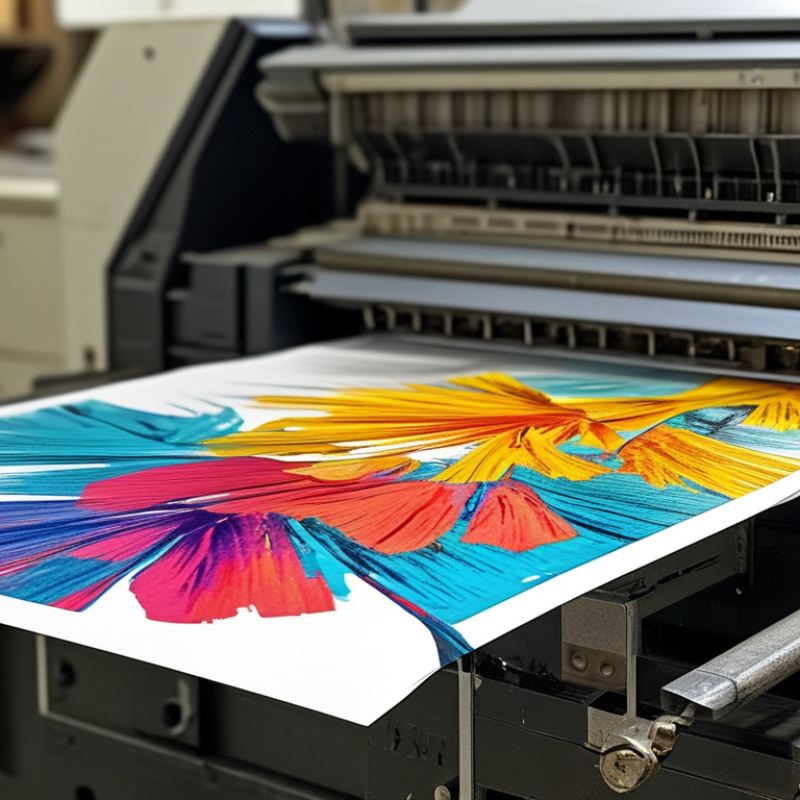
Overview of UV Laser Printing Technology and Its Advantages
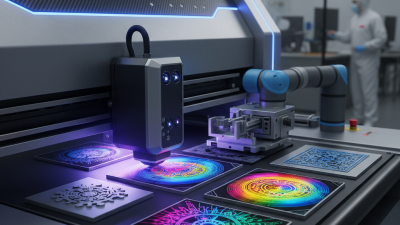
UV laser printing technology has gained traction for its ability to produce high-quality prints on various surfaces. Utilizing ultraviolet light, this method cures the ink instantly, resulting in vibrant and durable prints. It is particularly beneficial for businesses needing reliable and striking graphics. This technology stands out for its precision and ability to print in fine detail, making it ideal for intricate designs.
When considering UV laser printers, understanding their advantages is crucial. These printers can work on materials such as plastics, wood, and metal, expanding the possibilities for creative projects. UV prints are also resistant to fading and scratching, ensuring longevity. However, the initial investment in UV laser technology may deter some businesses. Evaluating your specific needs is important before making a decision.
Tips: Always assess the materials you plan to print on. Some UV printers perform better on specific surfaces than others. Consider conducting sample print tests to ensure compatibility. Keep in mind that while UV laser printers are advanced, not all printers deliver consistent quality. Regular maintenance and calibration are key to achieving the best results. Stay informed on printing techniques to adapt to evolving market demands.
Key Features to Look for in High-Quality UV Laser Printers
When searching for high-quality UV laser printers, consider key features that can enhance your printing experience. Resolution is crucial. Look for printers that offer a resolution of at least 1200 dpi. This ensures sharp, vibrant images that stand out. The print speed also matters. Choose a model that can handle your volume efficiently while maintaining quality.
Another important factor is compatibility. Ensure the printer supports various media types, such as paper, plastic, and vinyl. This versatility can expand your printing possibilities. Additionally, check for software support. A good printer will have easy integration with design applications.
Tips: Pay attention to color accuracy. It’s vital for reproducing designs correctly. Test print samples to evaluate how colors appear on your chosen media. Also, consider the ease of maintenance. Regular upkeep can prevent breakdowns and prolong the printer's life. Choose a model that offers straightforward servicing options.
Top UV Laser Printers for Professional and Commercial Use
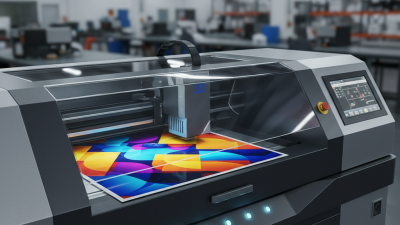
UV laser printers are revolutionizing the way professionals approach high-quality printing. Their ability to print on various materials, including plastics, metals, and glass, makes them ideal for a range of commercial applications. The unique ultraviolet light cures the ink almost instantly, resulting in vibrant colors and sharp details. This technology can significantly enhance product labels, signage, and custom graphics.
Selecting the right UV laser printer can be daunting. Factors like print speed, resolution, and material compatibility must be considered. Some printers excel in speed, while others offer superior image quality. Not all devices provide easy maintenance options, causing delays in production. This inconsistency can be frustrating for businesses that rely on efficient printing solutions.
Moreover, the initial investment in these printers can be substantial. Some users report challenges in navigating software and setup procedures. A steep learning curve may hinder immediate productivity. It's crucial for companies to evaluate their specific needs and workflow before making a decision. Professional and commercial settings will benefit most from investing time in research and understanding the nuances of UV printing technology.
Comparison of Print Quality Metrics and Industry Standards
When it comes to UV laser printers, print quality is paramount. Several key metrics help evaluate their performance. Resolution is the first. Higher resolution yields sharper images and finer detail. This is crucial for professional applications. Color accuracy also plays a significant role. A printer that can reproduce colors faithfully will ensure consistent results.
Industry standards define acceptable ranges for these metrics. For example, dot per inch (DPI) is often a primary measure. Expectations for commercial products usually exceed 1200 DPI. Longevity of prints adds another layer of quality assessment. Materials used should resist fading over time. This is essential for high-end art reproductions and marketing materials.
However, not every printer meets these standards perfectly. Some might excel in resolution but fail in color accuracy. Others might produce vibrant colors yet struggle with consistency. This inconsistency can lead to disappointing outcomes. Attention to these details is crucial when selecting a UV laser printer. Research and comparison could guide buyers toward making more informed decisions.
Cost Analysis of UV Laser Printers vs. Traditional Printing Methods
UV laser printers have gained popularity for their ability to produce high-quality prints. When comparing the cost of UV laser printers with traditional printing methods, several factors come into play. These printers often have a higher initial investment. Yet, they offer faster production times and superior print durability. The upfront cost can be daunting, especially for small businesses.
Traditional printing methods can seem more affordable. However, the long-term expenses may add up. Traditional inks can be costly, and maintenance is often required. UV laser printers, while pricier, can reduce ongoing costs significantly. The technology allows for prints that resist fading and damage, ultimately saving money over time.
Production speed is another key factor. UV printers can handle larger volumes quicker than traditional methods. This efficiency could lead to increased revenue opportunities. Nevertheless, the learning curve for operating UV printers is steeper. It may take time to fully explore their capabilities. Businesses must weigh these costs and benefits carefully as they make a choice.
Cost Analysis of UV Laser Printers vs. Traditional Printing Methods


 Send Email
 18929582815