What is a Handheld Inkjet Printer and How Does It Work?
Handheld Inkjet Printers have transformed how we think about printing on the go. These compact devices pack a punch, allowing users to print high-quality images and text anywhere. With advancements in technology, they cater to a wide range of needs. From labeling items to creating art, their versatility is impressive.
Working on a simple principle, these printers use inkjet technology to spray tiny droplets of ink onto surfaces. Whether printing on paper, plastic, or fabric, they deliver clear and vibrant results. Users appreciate their portability and ease of use, perfect for quick tasks.
Yet, challenges remain. Battery life can be limiting, affecting usability during extended periods. Additionally, maintaining ink quality and compatibility with various materials requires attention. Reflecting on these points can enhance user experience and pinpoint areas for improvement. Handheld Inkjet Printers hold great promise, but fine-tuning their capabilities will make them even more effective.
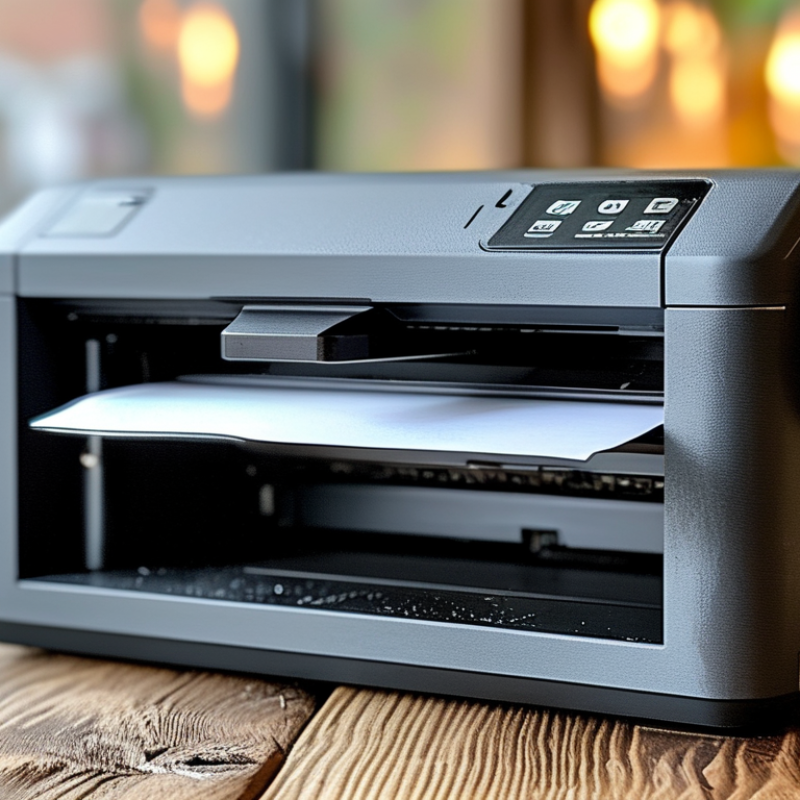
What is a Handheld Inkjet Printer?
A handheld inkjet printer is a portable device designed for printing on various surfaces. These printers are becoming increasingly popular in industries like logistics, retail, and manufacturing. According to a recent market report, the global handheld inkjet printer market is expected to grow by 8% annually, driven by demand for on-site printing solutions.
These printers work by spraying tiny droplets of ink onto surfaces, allowing for high-quality prints on items like cardboard, plastic, and metal. They are lightweight and easy to use, making them ideal for quick labeling or marking tasks. Many handheld inkjet printers come with rechargeable batteries, allowing users to operate them without being tethered to a power source.
While the technology is impressive, there are challenges. Print quality can vary depending on the surface. Thick materials may absorb ink differently, affecting the final appearance. Additionally, some users report issues with ink drying too quickly, which can lead to smudged prints. Such limitations highlight the need for further improvements.
Handheld Inkjet Printer Usage by Industry
Key Components of Handheld Inkjet Printers
Handheld inkjet printers have gained popularity for their portability and ease of use. These devices enable professionals to print high-quality images and text directly onto various surfaces. The key components driving their functionality include an ink cartridge, print head, power supply, and user interface.
The ink cartridge is central to the operation of a handheld inkjet printer. It contains water-based ink, which can vary for specific applications. According to industry studies, about 40% of inkjet users prioritize ink longevity and quality. The print head, with its tiny nozzles, sprays ink onto the substrate. This precision is crucial for achieving crisp prints. Some devices incorporate advanced print heads, which allow for variable dot sizes. This feature enhances detail and clarity even on porous surfaces.
The power supply powers the device and supports fast printing speeds. Studies show that battery life can significantly impact user experience. Users often express frustration over short battery life. A user-friendly interface allows easy navigation through settings and options. A complex interface can lead to inefficiencies, highlighting the need for thoughtful design. Ultimately, while handheld inkjet printers excel in convenience, their components must work harmoniously to deliver reliable performance.
How Handheld Inkjet Printers Operate
Handheld inkjet printers are compact devices that enable on-the-go printing. They use ink cartridges that release tiny droplets onto surfaces. The result is a quick and often vivid print. These printers work through a nozzle that moves rapidly while printing. This creates clear images and text without large setups.
The operation of handheld inkjet printers involves a few key steps. First, the user activates the printer and selects a design or text. Then, the printer pulls ink from its cartridge. It precisely ejects ink droplets through a nozzle. This nozzle moves swiftly across the surface being printed. The user guides the printer manually, ensuring accurate placement.
Although handheld printers are convenient, challenges exist. Ink can smudge if not handled properly. Users may need to practice for cleaner results. Battery life can also affect performance, limiting printing time. These factors require mindfulness from the user. The balance between convenience and quality can be tricky, but practice offers improvement.
Applications and Use Cases for Handheld Inkjet Printers
Handheld inkjet printers are gaining traction across various industries, thanks to their versatility and convenience. These portable devices can print on a variety of surfaces, such as cardboard, plastic, and metals. According to industry reports, the global handheld printer market is expected to grow significantly, with a CAGR of around 8% over the next five years. This growth highlights the increasing adoption of handheld printing solutions in logistics, manufacturing, and retail sectors.
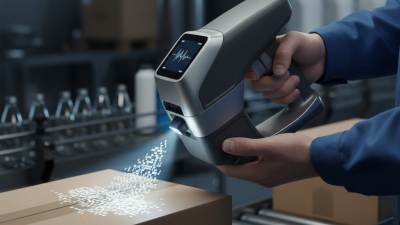
In logistics, these printers provide real-time labeling solutions. They can quickly print barcodes and shipping labels on-demand. This capability streamlines operations and enhances efficiency. For manufacturers, printing directly on products helps maintain quality control and traceability. The ability to print expiration dates, lot numbers, and other critical information directly on packaging is crucial. However, challenges remain, such as the necessity for continuous maintenance and the potential for print head clogging, which can disrupt work processes.
Retail applications are also expanding. Handheld inkjet printers allow for price updates and promotional labels to be printed onsite, thus reducing response time to market changes. According to a survey, 45% of retailers reported improved inventory management due to the adoption of these printing solutions. Yet, some companies still face integration issues with existing systems, which may complicate the transition to handheld printing technologies. This highlights the need for careful planning when implementing such devices in any operation.
Benefits and Limitations of Using Handheld Inkjet Printers
Handheld inkjet printers are revolutionizing the way we print objects on the go. These portable devices are lightweight and can operate on various surfaces, making them incredibly versatile. According to a recent industry report, the global handheld inkjet printer market is expected to grow by over 30% by 2025, driven by the demand for on-site printing solutions. This growth reflects how these printers are becoming indispensable in sectors like logistics, manufacturing, and retail.
One of the key benefits of handheld inkjet printers is their ease of use. These devices often feature simple control interfaces, enabling users to print without extensive training. Moreover, they can print high-quality images and barcodes quickly, increasing operational efficiency. However, the limitations cannot be overlooked. Ink cartridges may run out quickly, especially with high-frequency use. Additionally, they may struggle with complex printing tasks that conventional printers handle effortlessly. Users often need to consistently maintain these devices for optimal performance, which can be a hassle.
Battery life is another concern. Although many models offer rechargeable options, they may not last through a full workday. This limitation could hinder productivity in fast-paced environments. Overall, while handheld inkjet printers offer flexibility and convenience, potential users should weigh these benefits against their limitations before making a decision.


 Send Email
 18929582815