How to Choose the Best Handheld Inkjet Printers for Your Needs?
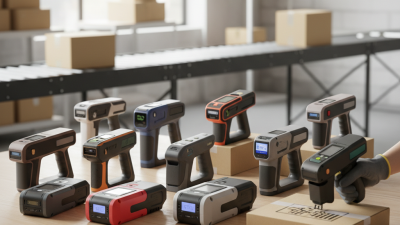
Choosing the right handheld inkjet printers can greatly impact your printing tasks. As industry expert John Smith, a renowned printer technology consultant, once stated, "Understanding your specific needs is crucial for the best printer choice." Handheld inkjet printers offer portability and convenience, making them suitable for various applications. However, with numerous options available, selecting the right one can be challenging.
These printers are often used in sectors like manufacturing and logistics. They can print on different surfaces and materials, but each model comes with unique features. Factors such as print speed, ink type, and battery life are essential when making a decision. Balancing these elements against your requirements is vital.
Many users overlook the importance of ergonomics and ease of use. A comfortable grip and intuitive controls can enhance productivity and reduce strain during long printing sessions. Additionally, scalability should be a consideration for businesses expecting growth. Reflecting on these aspects will ensure that you choose the best handheld inkjet printer for your specific needs.
Understanding the Basics of Handheld Inkjet Printer Technology
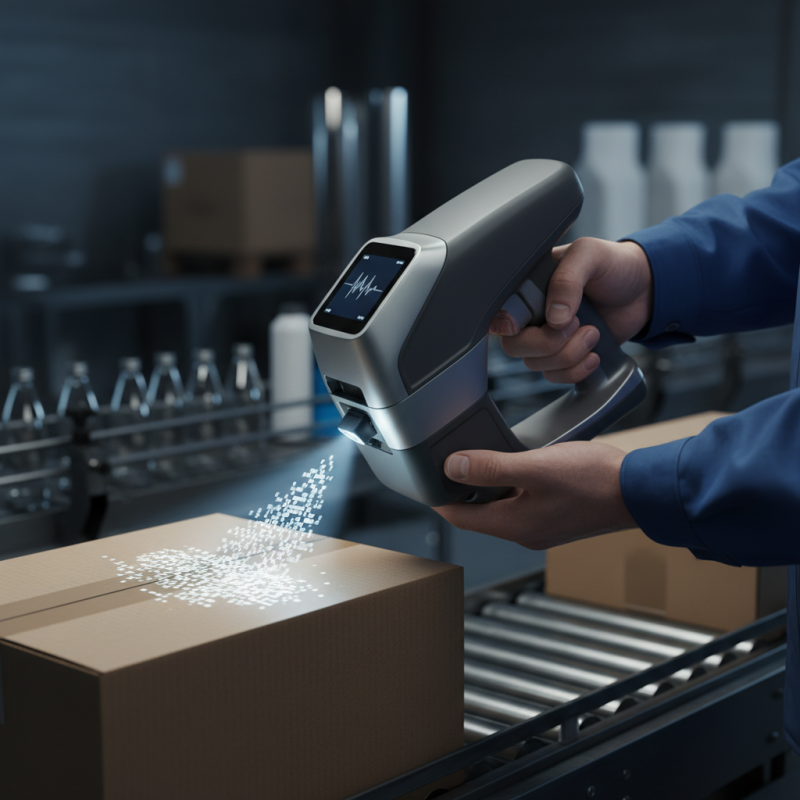
Handheld inkjet printers are compact and versatile printing solutions. These devices often use a thermal or piezoelectric printing technology. Thermal technology heats ink to create droplets. This method enables precise printing on various surfaces. Piezoelectric technology uses electric charges to control ink flow. Each technology has its advantages and limitations.
When choosing a handheld printer, consider print quality. Factors like resolution and color accuracy matter. Battery life is crucial for portability. A longer battery enables extended use away from power sources. Handling and weight also impact usability. Heavy devices can cause fatigue during prolonged use.
Another important aspect is the ease of use. User-friendly interfaces enhance the printing experience. Some models feature LCD screens for straightforward navigation. Durability is vital, too. Printers that withstand rough environments will serve you better in the long run. Testing print speed before a purchase is wise. You want a balance between quality and efficiency. Reflect on your specific needs to make the right choice.
Key Features to Consider: Resolution, Speed, and Portability
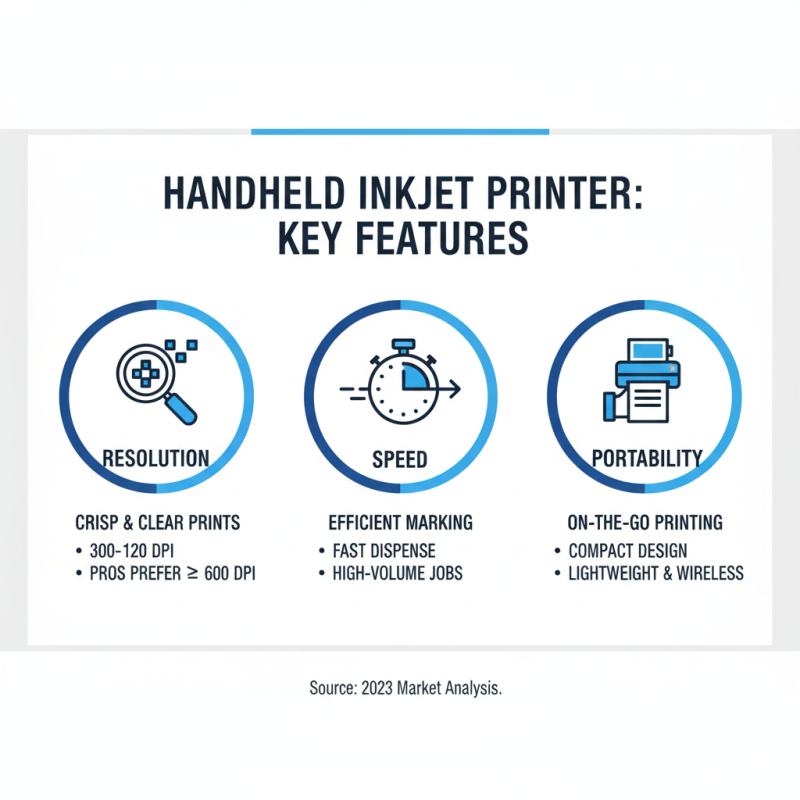
When selecting a handheld inkjet printer, prioritizing resolution, speed, and portability is crucial. High resolution is essential for producing crisp and clear prints. Many models offer resolutions ranging from 300 to 1200 DPI. According to a market analysis, 90% of professionals prefer a minimum resolution of 600 DPI for quality prints. Images and barcodes require precision. A printer with higher DPI can significantly enhance the detail captured in prints.
Speed is another vital consideration. Many users require printers that can keep pace with their demands. Typical handheld inkjet printers can achieve print speeds of 10 to 20 pages per minute. Some studies indicate that speed directly impacts productivity; a printer that can deliver quick results often leads to higher efficiency. However, the trade-off may come in the form of ink quality and battery life, which can sometimes suffer when prioritizing speed.
Portability is non-negotiable for users on the go. A lightweight printer is ideal, especially for professionals who travel frequently. Models weighing under 5 pounds often have a compact design that allows easy transportation. However, users must assess battery longevity. A printer may be portable but could lack sufficient power for extended use. Balancing these features against personal needs will lead to a more informed decision.
Comparing Ink Types: Dye-Based vs. Pigment-Based Inks
When choosing a handheld inkjet printer, understanding ink types is essential. You typically have two main options: dye-based and pigment-based inks. Dye-based inks are vibrant and provide rich colors. They are perfect for photos and graphics, offering excellent color saturation. However, they are less resistant to water and fading. This could be an issue for outdoor use or if the prints are exposed to sunlight.
On the other hand, pigment-based inks are known for their durability. They offer resistance against water and fading, making them suitable for archival purposes. The colors may not be as vivid as dye-based inks, but they can produce excellent results on various media. This type of ink is ideal for documents requiring longevity. You might find the initial cost of pigment inks higher, but their performance in specific settings often justifies the investment.
Deciding which ink suits your needs involves weighing these factors. If you prioritize color vibrancy for short-term projects, dye-based inks might be your go-to. But for long-lasting prints, especially in professional settings, pigment options stand out. Reflecting on your printing goals will help you make an informed choice.
Evaluating Cost-Effectiveness: Initial Costs and Running Expenses
When choosing a handheld inkjet printer, evaluating cost-effectiveness is crucial. Initial costs can be enticing, but long-term running expenses matter more. Understanding both can save you money. Consider the cost of cartridges, maintenance, and energy usage. These factors can impact your budget significantly.
While some printers seem affordable at first, their ink costs might surprise you. Regularly replacing cartridges can add up quickly. Look for printers with high-yield ink options. This can reduce the frequency of replacements, leading to overall savings. Maintenance is another aspect to consider. Some models require more upkeep, increasing their long-term costs.
Tips: Research user reviews for insights on operating costs. They often highlight hidden expenses. Additionally, consider your printing volume. High-volume users may benefit from a slightly pricier model if it offers lower ongoing costs. Stay informed about deals on paper and ink; purchasing in bulk can save money. Always assess your actual needs versus advertised features before buying.
Assessing User Needs: Applications in Various Industries and Environments
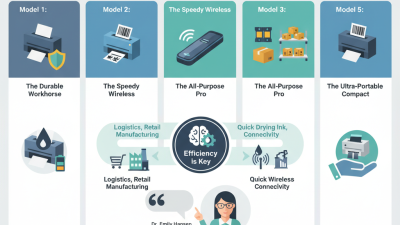
In various industries, the choice of handheld inkjet printers must align with specific applications. Logistics companies often rely on these printers for labeling packages. According to a report by Smithers, efficient labeling can boost productivity by up to 30%. Industries such as manufacturing also benefit from quick printing solutions to mark products in real-time. The need for durable, high-speed prints is crucial here, especially when dealing with lines running at over 100 units per minute.
Retail environments require portable printers that can accommodate different surfaces. In a survey by Technavio, 54% of retail professionals indicated the importance of versatility in printers for point-of-sale transactions. Ease of use impacts employee training time. Ergonomic designs play a critical role in operational efficiency. If the printer is not user-friendly, the implementation can suffer, leading to downtime and increased training costs.
Moreover, it's important to consider the environmental factors. Industrial settings can expose printers to dust, moisture, and extreme temperatures. A unit that fails in these conditions may lead to significant setbacks. The cost of ownership should factor in potential repairs and downtime. Regular assessments are needed to evaluate whether a device meets operational demands. Understanding user needs remains essential, as the wrong choice can lead to operational risks and unnecessary expenses.
How to Choose the Best Handheld Inkjet Printers for Your Needs? - Assessing User Needs: Applications in Various Industries and Environments
| Industry |
Typical Applications |
Key Features |
Printing Speed (IPM) |
Estimated Cost |
| Manufacturing |
Labeling, Date coding |
Durable ink, High portability |
30 IPM |
$300 |
| Logistics |
Shipping labels, Barcodes |
Fast drying ink, Wireless connectivity |
35 IPM |
$250 |
| Construction |
Site marking, Equipment labeling |
Weatherproof ink, Rugged design |
25 IPM |
$350 |
| Healthcare |
Patient labeling, Medical equipment |
Cleanroom compatible, High precision |
20 IPM |
$400 |
| Retail |
Price tags, Promotional labels |
User-friendly interface, Cost-effective |
30 IPM |
$200 |


 Send Email
 18929582815