
 Send Email
 18929582815






Global Coding Trends: Why Manufacturers Are Moving Toward Smarter Inkjet Systems
A New Expectation From Production Lines
Factories today are no longer defined by static Conveyor belts.
They operate with fluctuating speeds, mixed packaging formats, and increasingly small production batches. Traditional printers struggle when line conditions change unexpectedly, causing:
-
misaligned codes
-
distorted characters
-
printer stoppages
-
increased rework and waste
A production manager from a beverage group in Southeast Asia recently noted:
“Printing used to be the last thing we worried about. Now it affects the entire traceability chain.”
This shift has pushed manufacturers to prioritize coding systems that can think and adjust—rather than simply react.
Why Smart Inkjet Systems Are Becoming the Standard
1. Greater Compatibility With Variable-Speed Production Lines
Modern inkjet printers must adapt to acceleration, deceleration, and sudden stops—conditions common in flexible packaging and automated assembly lines.
Systems that incorporate real-time speed sensing and dynamic trigger adjustment are quickly becoming essential.
2. Rise of Variable Data Requirements
Regulations in food, pharma, and electronics are increasingly demanding:
-
serialized codes
-
unique identifiers
-
traceable QR formats
Older systems cannot generate complex data fast enough.
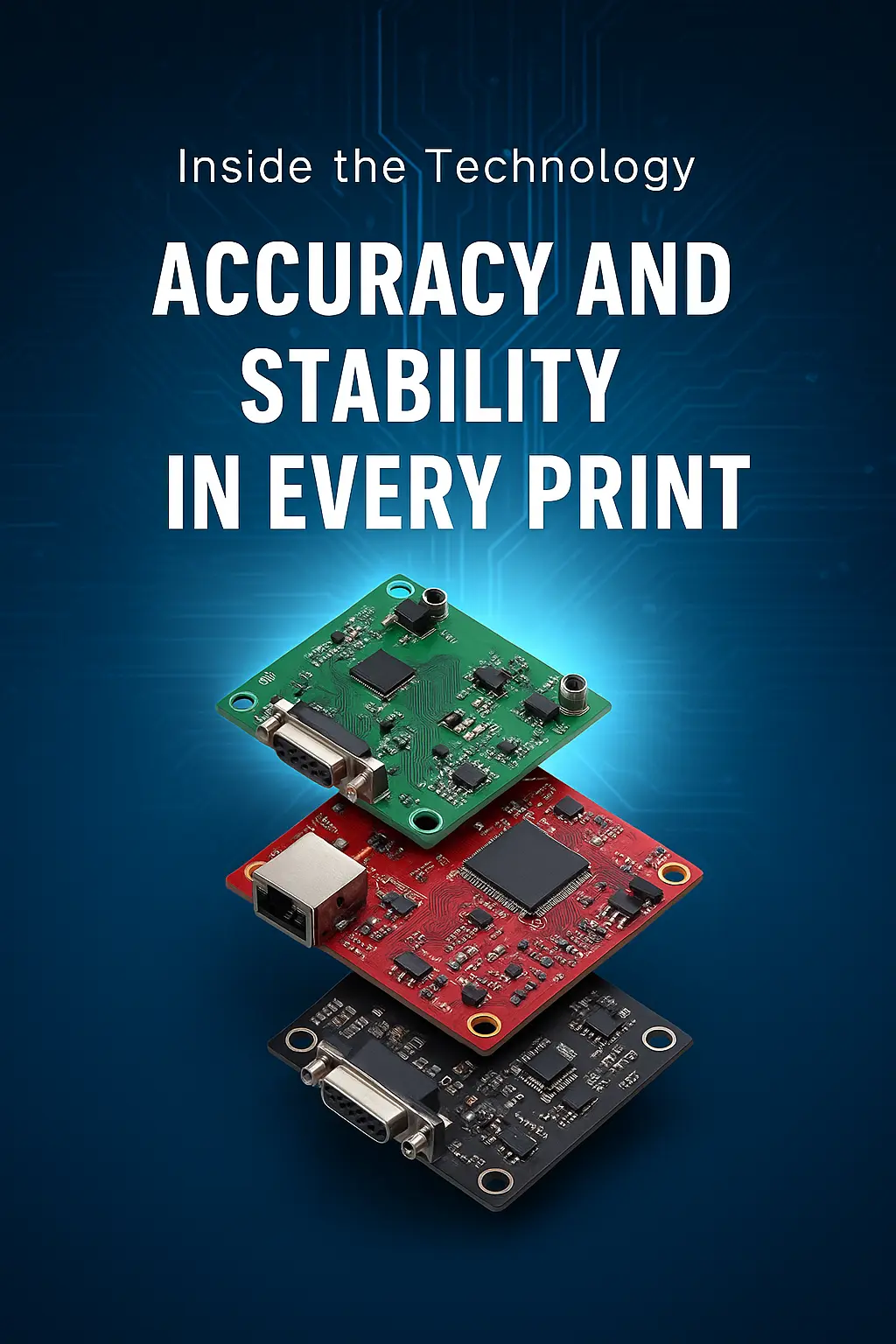
This is where smarter print controllers—like INCODE’s upgraded processing architecture—offer measurable advantages.
3. Integration With Factory Software and Databases
ERP, MES, and quality-control software are now expected to communicate directly with coding equipment.
Inkjet printers capable of receiving live data streams are preferred by factories preparing for Industry 4.0 upgrades.
4. Environmental and Material Changes
Eco-friendly packaging—recyclable films, low-VOC coatings, biodegradable materials—requires ink that adheres reliably without excessive solvent load.
This is driving innovation in ink formulas and printhead control technologies.
The INCODE Perspective: Where the Industry Is Heading
Based on INCODE’s research across multiple regions, the next wave of coding technology will focus on:
-
self-calibrating print systems that adapt to speed and environmental changes
-
real-time monitoring of nozzle performance and ink consumption
-
energy-saving ink formulations aligned with global sustainability goals
-
smarter sensor ecosystems that reduce missed prints on complex production lines
According to INCODE’s product director:
“Manufacturers want coding equipment that feels like part of the production line—not a tool they constantly need to check.”
A Market Defined by Intelligence, Not Just Hardware
The shift toward smart inkjet systems is more than an equipment upgrade.
It represents a broad recognition that coding is part of the digital backbone of modern manufacturing. Factories are treating data integrity, traceability accuracy, and printing reliability as strategic priorities rather than operational details.
As this trend accelerates, INCODE will continue deepening its research into sensor responsiveness, variable-data speed optimization, and environmentally responsible ink solutions.
The future of coding, it seems, will be defined not by how fast a printer can mark a product—but by how seamlessly it works within a complex, interconnected production ecosystem.