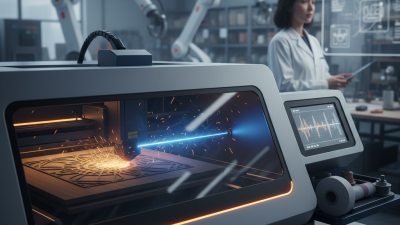
How to Choose the Best UV Laser Printers for Your Needs?
Choosing the right UV laser printers can be challenging. There are various models, features, and price ranges to consider. These printers excel in producing high-quality images and text. They are ideal for various materials, including plastics and metal. However, not all UV laser printers are created equal.
When selecting a UV laser printer, consider what you need most. Think about the print volume and the types of projects you will tackle. Some users may only need a compact model for small jobs. Others might require industrial-grade machines for larger tasks. Reflecting on these factors is critical.
Pay attention to the maintenance and operating costs too. Some printers have lower upfront costs but may be expensive to maintain. Evaluate your budget carefully. Doing your homework will save you time and money. Ultimately, finding the best UV laser printer depends on your specific requirements and intended use.
Understanding UV Laser Printer Technology and Its Benefits
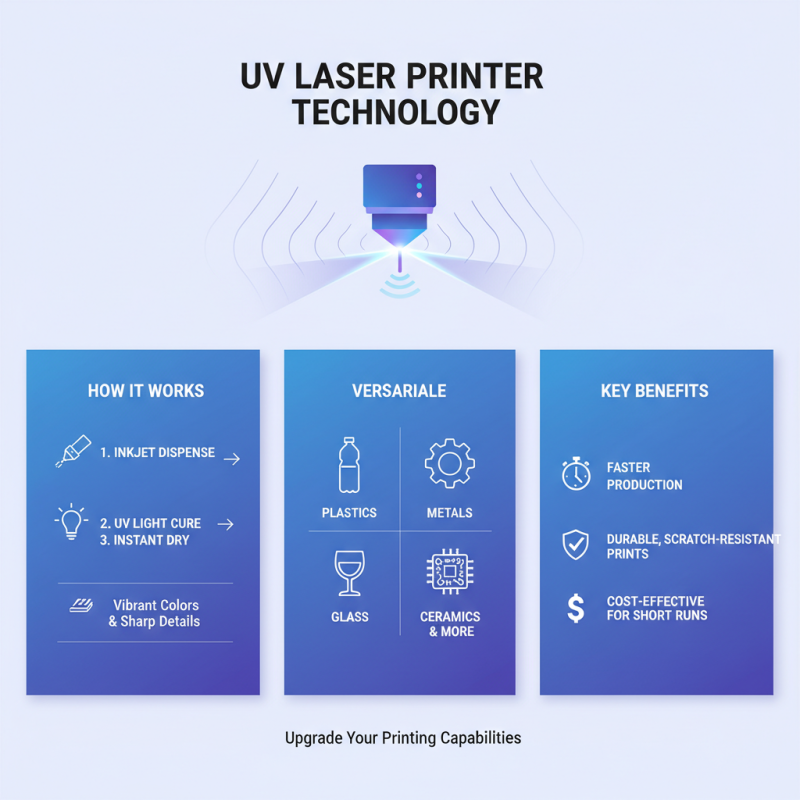
UV laser printers leverage cutting-edge technology to provide high-quality prints on a variety of substrates. The UV curing process uses ultraviolet light to dry the ink instantly, allowing for vibrant colors and sharp details. Unlike traditional inkjet printers, UV printers can print on materials like plastics, metals, and glass. This versatility makes them ideal for businesses that require flexibility in their printing options.
Studies have shown that UV printing offers improved durability. According to a report by Smithers Pira, the UV printing market is expected to grow to over $15 billion by 2024. This growth is partly due to the higher resistance of UV-printed materials to scratches and fading. Furthermore, the eco-friendly nature of UV ink is gaining attention, reducing the overall environmental impact of printing processes.
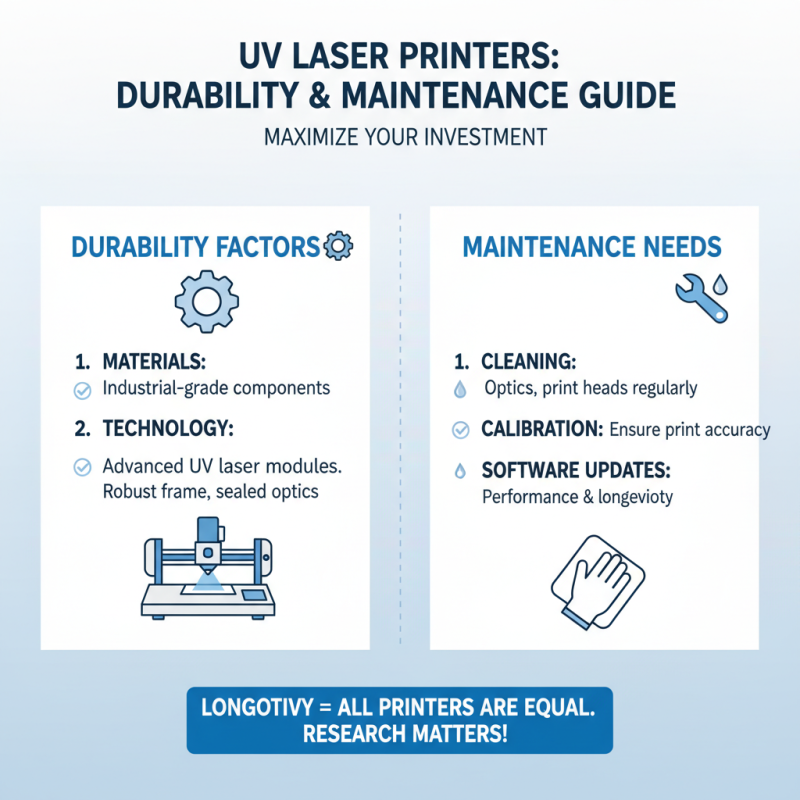
When selecting a UV laser printer, consider the speed of operation. A faster printer can significantly boost productivity. Evaluate the media versatility too; ensure the printer can handle various materials as needed. Also, reflect on the maintenance requirements—some models might demand more upkeep than others, which can impact long-term costs. A printer that seems efficient at first may reveal hidden complexities later on.
Key Considerations for Selecting a UV Laser Printer
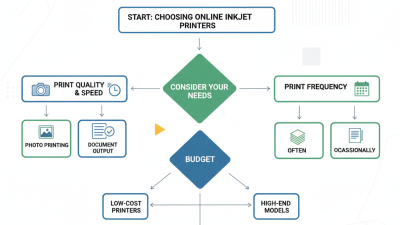
Choosing the right UV laser printer requires careful thought. Start by assessing your printing volume. Will you print high volumes regularly? A robust model can handle heavy use. However, if you have occasional needs, a compact option may suffice. Your space matters too; some printers can take up significant room.
Consider the types of materials you will use. UV laser printers are versatile, but not all models excel at printing on various surfaces. If you need to print on plastic or metal, ensure the printer accommodates those materials well. It's crucial to have flexibility in your choices.
Tips: Always check the print speed. Faster options can save time for larger projects. Don't overlook customer support and warranty services. A printer can have issues. Knowing help is available can be a peace of mind. If you purchase without thoroughly researching features, you may face regrets later.
Comparison of Key Features for UV Laser Printers
Evaluating Print Quality and Speed in UV Laser Printers
Choosing the right UV laser printer involves a clear evaluation of print quality and speed. Print quality is paramount for businesses. Many reports indicate that customers value clarity and precision. According to industry data, a printer offering a resolution of 1200 dpi can significantly enhance image details, making them sharper and more vibrant. This resolution is crucial for applications like packaging, signage, and specialty printing.
Speed is another vital factor. A printer that can manage 40 pages per minute is generally deemed efficient. Workflow efficiency can make or break project timelines. Industry averages show that delays in printing can lead to increased operational costs. However, the comfort of quick outputs must be balanced with quality. Some high-speed models sacrifice finer details, potentially resulting in disappointed clients when the quality does not match expectations.
It's worth considering the possibility of trade-offs. Buying solely based on speed might leave you with subpar prints. Conversely, focusing only on quality could slow down productivity. Customers often have diverse needs. Meeting those needs without compromising on performance can be tricky. Ongoing evaluations and adjustments are necessary to truly find the right balance.
How to Choose the Best UV Laser Printers for Your Needs? - Evaluating Print Quality and Speed in UV Laser Printers
| Model |
Max Print Resolution |
Print Speed (Pages per Minute) |
Material Compatibility |
Price Range |
| Model A |
1200 x 1200 dpi |
30 ppm |
Plastic, Metal, Wood |
$2,500 - $3,000 |
| Model B |
2400 x 1200 dpi |
25 ppm |
Plastic, Glass, Leather |
$3,000 - $4,500 |
| Model C |
1200 x 1200 dpi |
35 ppm |
Metal, Wood, Ceramics |
$2,000 - $2,800 |
| Model D |
4800 x 2400 dpi |
20 ppm |
Plastic, Paper, Vinyl |
$4,000 - $5,500 |
Comparing Costs and Features of Leading UV Laser Printer Brands
When exploring UV laser printers, costs and features are critical factors. According to a recent industry report, the average price for high-quality UV laser printers ranges from $20,000 to $50,000. For small businesses, this investment can be substantial. Yet, the long-term benefits can outweigh the initial costs. Printers with advanced technology often yield higher efficiency and lower operational costs over time.
Features vary significantly among different models. Essential aspects include print speed, resolution, and compatibility with various materials. A printer that offers multi-material capabilities can open new markets. Research shows that speed can differ, with some printers reaching up to 1,200 DPI, while others lag around 600 DPI. The quality of output is paramount in achieving customer satisfaction.
However, not every model delivers as expected. Users often report discrepancies in print quality and maintenance challenges. Inadequate customer support can exacerbate these issues. Diverse brands may also bring varying reliability levels, affecting overall productivity. It's crucial to weigh these factors carefully before making a decision. Balancing cost against features is not straightforward and requires thorough evaluation.

 Send Email
 18929582815