How to Choose the Best Carbon Dioxide Laser Printers for Your Needs?
Choosing the right Carbon Dioxide Laser Printers can be challenging. These machines are vital for accurate cutting and engraving in various materials. Understanding their features is key to making an informed decision.
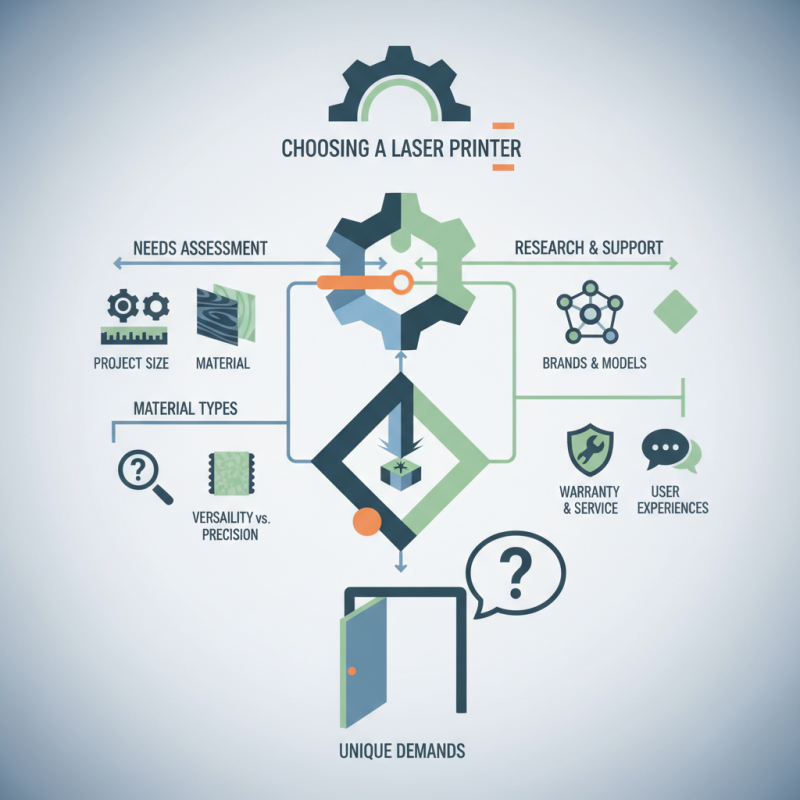
When selecting a printer, consider your specific needs. The size of the projects and the types of materials are crucial factors. Some users seek versatility, while others prioritize precision. Researching different brands and models can reveal surprising differences in performance and reliability.
Additionally, experts in the field emphasize the importance of customer support. A robust warranty and readily available service are often overlooked but critical aspects of ownership. Learning from others’ experiences can guide your choice. Remember, every workshop has unique demands, and the best printer for one may not suit another. Reflect on what truly matters for your work.
Understanding the Basics of Carbon Dioxide Laser Printers
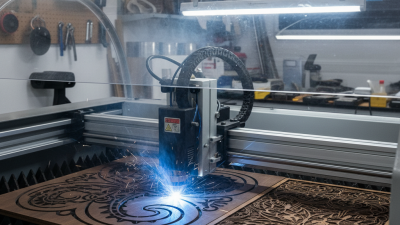
When considering carbon dioxide laser printers, it's essential to grasp the fundamentals. These printers use a CO2 laser to etch and cut materials with precision. They can work on wood, acrylic, and fabric, among others. Understanding their capabilities helps in making informed decisions.
Tips: Always assess your material needs before selecting a printer. Different printers handle various materials better than others. Knowing these specifics can save time and resources.
Power settings are crucial. More powerful lasers can cut thicker materials, but they also consume more energy. This efficiency consideration is vital for long-term costs. Reflect on your usage patterns to decide the needed power levels.
Lastly, maintenance is key. Regular checks ensure optimal performance and longevity. Neglecting upkeep can lead to issues that compromise quality. Invest time in understanding the printer’s maintenance needs to avoid future challenges.
Key Features to Consider When Choosing a Laser Printer
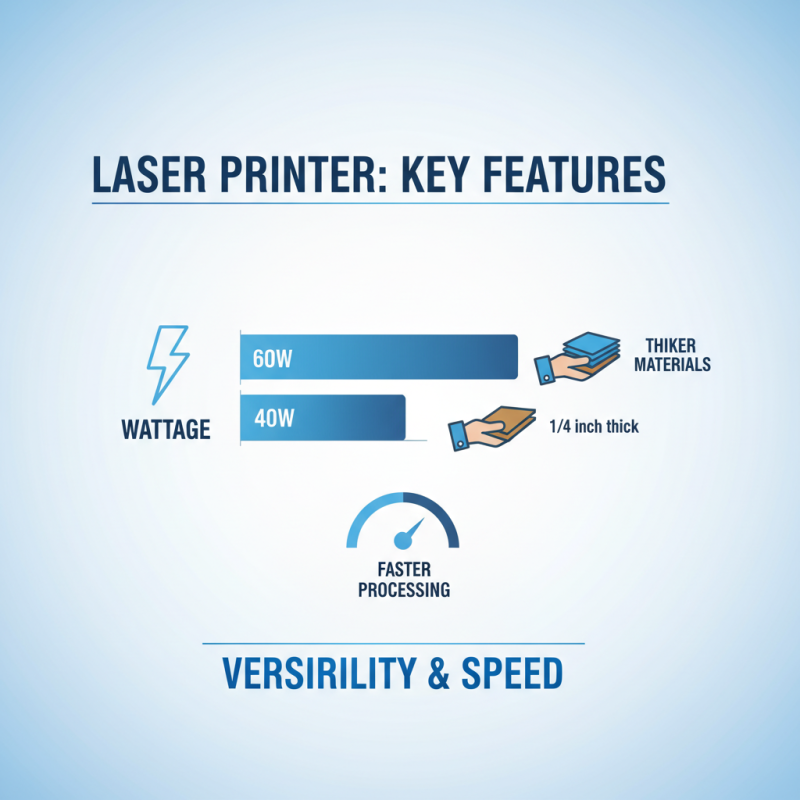
When selecting a carbon dioxide laser printer, several key features warrant careful consideration. The printer's wattage directly impacts its cutting and engraving capabilities. Higher wattage enables faster processing and thicker material handling. According to industry reports, a 40W laser can cut through materials up to 1/4 inch thick, while a 60W model handles thicker materials more efficiently, providing greater versatility for various applications.
Another essential feature is the printer's bed size. A larger bed allows for handling bigger projects, saving time on multiple setups. If you're working with larger sheets, aim for a printer with at least a 24x18 inch bed. Additionally, features like air assist help reduce smoke and improve cut quality. Engraving speed, measured in inches per minute, also matters. Faster speeds can enhance productivity but may compromise quality.
Tip: Always analyze your specific needs before choosing a printer. Look into sample projects from potential models and assess how they match your output expectations.
Another consideration involves compatibility with design software. Ensure the laser printer supports popular graphic formats. This can streamline your workflow and minimize delays during the design-to-production process. Many users overlook this, leading to frustration later on; compatibility is essential for a smooth operation.
Tip: Consult with other users and read reviews to gain insight into any recurring issues. Knowing potential pitfalls can inform a more efficient purchasing decision.
Assessing Your Printing Needs and Volume Requirements
When considering a carbon dioxide laser printer, assessing your printing needs is essential. Think about what materials you'll be working with. Different materials can affect the quality and effectiveness of your prints. Determine how often you plan to use the printer. This can directly influence your choice in terms of power and efficiency.
Tip: Consider your available workspace. A larger printer might offer advanced features but could be cumbersome in a small area.
Next, evaluate your volume requirements. Regular, high-volume printing demands a printer with robust performance. Look for models known for consistent output and reliability over time. Frequent use can lead to issues like overheating or wear. A less powerful model may not meet your expectations for high-quality results.
Tip: Don’t overlook maintenance needs. Regular upkeep ensures longevity. A printer that requires less intervention might save you time and frustration.
Reflect on these aspects carefully. An unsuitable choice can lead to dissatisfaction and wasted resources. Determine what aligns best with your specific requirements.
Carbon Dioxide Laser Printers Printing Volume Comparison
Evaluating Cost vs. Performance in Laser Printer Options
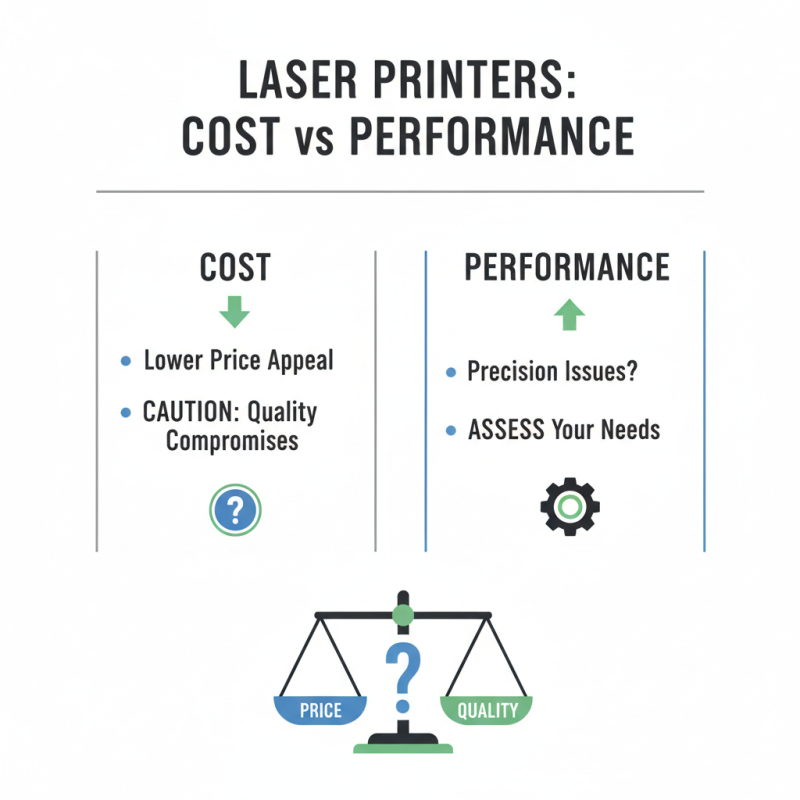
When choosing a carbon dioxide laser printer, cost and performance are critical factors. A lower-priced option may be appealing, but be cautious of compromises in quality. Sometimes, less expensive models struggle with precision, leading to unsatisfactory results. Performance varies widely, so it's essential to assess whether the printer meets your specific needs.
Many users appreciate high-speed printing. However, high-speed models might come with a higher cost. Evaluate how often you will be using the printer. If it's for occasional tasks, investing in a premium model may not be necessary.
Tips: Focus on the core functions you need. Is detail more important than speed? Look for machines with a good balance. Review user feedback to gauge reliability. Always consider long-term costs as well, such as maintenance and consumables. These elements impact overall value over time. Understanding the balance of cost versus performance ensures you make an informed choice.
Comparing Popular Carbon Dioxide Laser Printer Brands and Models
When exploring carbon dioxide laser printers, several popular brands and models stand out. Each option has unique features, making it crucial to match them to your specific needs. Focus on power output, print speed, and material compatibility. Higher wattage models can cut through various materials effectively, while lower wattage may suffice for engraving tasks.
Tips: Assess your projects. Do you need precision or speed? A robust model may offer both but could be overkill for simple tasks. Consider the materials you often use. Some machines excel at engraving, while others handle cutting better.
Comparisons help clarify choices. Look at user reviews and expert opinions. Some brands may be praised for reliability but lack speed or precision. Explore all aspects before settling on a choice. Also, check the warranty and customer service offers. Reliable support can save you headaches down the line.

 Send Email
 18929582815