Top Benefits of Carbon Dioxide Laser Printers for Businesses?
In today's competitive market, businesses are constantly seeking innovations that enhance efficiency and productivity. Carbon Dioxide Laser Printers have emerged as a game-changer in this regard. According to a report by Smithers Pira, the global market for laser printers is projected to grow by 5.3% annually, highlighting their rising significance in various industries. These printers are known for their precision and versatility, capable of working with different materials, including wood, plastic, and glass.
The adoption of Carbon Dioxide Laser Printers can lead to substantial cost savings. A study from MarketsandMarkets indicates that companies can reduce operational costs by up to 30% through improved efficiency compared to traditional printing methods. This technology, however, is not without its challenges. Users must consider initial investment costs and maintenance needs. Despite this, their long-term benefits often outweigh the drawbacks, particularly for businesses that prioritize quality and innovation.
Moreover, the environmental impact of Carbon Dioxide Laser Printers is notable. These printers emit fewer pollutants than other types, contributing to a more sustainable business model. As organizations increasingly focus on eco-friendly practices, investing in this technology aligns with their sustainability goals. This evolution in printing technology points to a trend that could redefine operational standards across various sectors.
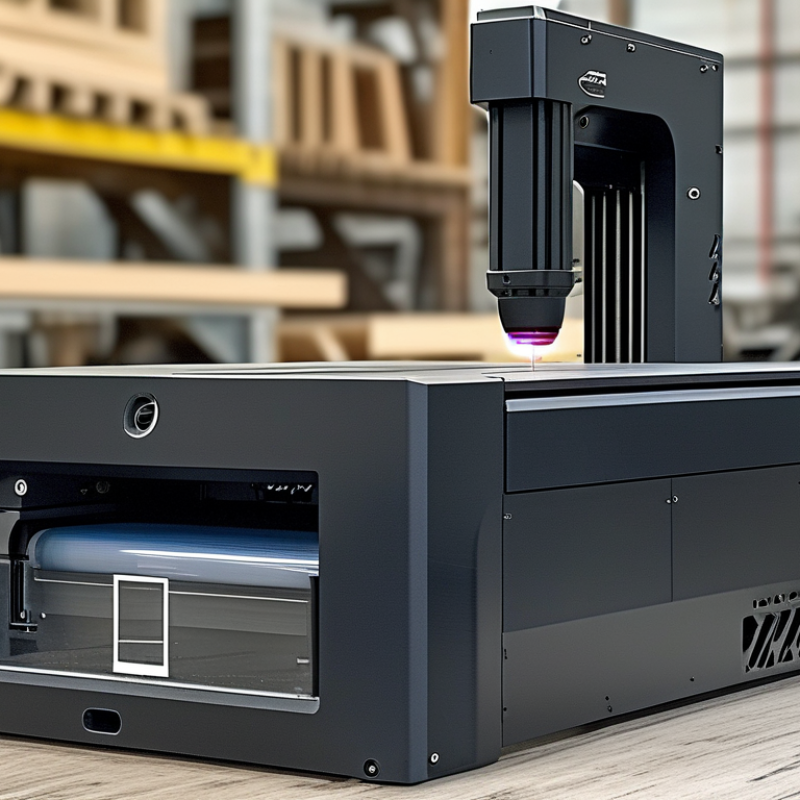
Overview of Carbon Dioxide Laser Printers
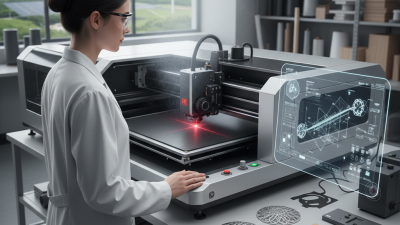
Carbon dioxide (CO2) laser printers have transformed the printing landscape for various industries. These printers utilize a CO2 gas laser to engrave or cut materials with remarkable precision. A report from the Smithers Pira study indicates that the global market for laser cutting technology is expected to grow by nearly 9% annually over the next five years. This growth is primarily driven by demand in sectors like packaging, electronics, and textiles.
One of the notable advantages of CO2 laser printers is their versatility. They can print on numerous substrates, including wood, plastic, and fabrics. This flexibility allows businesses to customize products in innovative ways. According to a survey conducted by the Fabricators and Manufacturers Association, nearly 72% of manufacturers reported increased productivity after adopting laser technology. However, this conversion comes with a learning curve. Businesses need to invest time in training staff to utilize this technology effectively.
Despite their benefits, CO2 laser printers are not without limitations. They may not be the best choice for all materials. Some metals require different laser types for optimal results. Additionally, there are maintenance costs to consider, as laser systems require regular tuning and care. Balancing the advantages with these drawbacks is essential for businesses to make informed decisions.
Key Advantages of Using CO2 Laser Technology
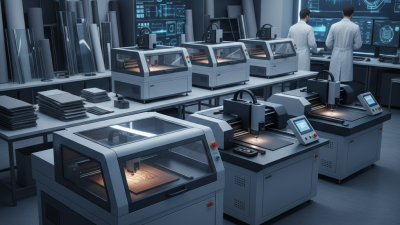
CO2 laser technology offers several key advantages for businesses seeking efficiency and precision. This technology uses a gas laser to produce a focused beam of light. It is excellent for cutting, engraving, and marking various materials like wood, acrylic, and even metals. The versatility of CO2 lasers allows for different applications in industries ranging from manufacturing to signage.
One significant benefit is the speed of processing. CO2 laser printers can execute tasks quickly, reducing downtime and increasing productivity. Moreover, the quality of the finished product is often outstanding. The precision of the laser ensures clean cuts and intricate designs, enhancing the overall professional appearance of items.
However, not all businesses may realize the importance of maintenance. Regular checks are essential to ensure optimal performance. Operators may overlook calibration, which can affect output quality. Training is also crucial; without proper knowledge, the benefits of CO2 technology may not be fully realized. The balance between technology and human input is vital for maximizing effectiveness in a workspace.
Impact on Print Quality and Precision
The impact of carbon dioxide (CO2) laser printers on print quality and precision is remarkable. These printers use laser technology to etch materials with high accuracy. This results in sharp, clean lines and vibrant colors. Businesses benefit from highly detailed prints that stand out. Precision is crucial, especially in industries like signage and product design.
Tips: Ensure your materials are compatible with CO2 lasers. Some materials may not yield the same high quality. Test prints can help assess quality before full production.
With CO2 laser printers, each print is consistent. Businesses can rely on uniformity across all printed materials. However, imperfections can still occur. It’s vital to monitor the printer regularly to avoid discrepancies. Regular maintenance is key to ensuring optimal performance. Small adjustments can significantly enhance print quality.
Cost Efficiency in Business Operations
Carbon dioxide laser printers are transforming business operations. These devices excel in precision and versatility. According to a report by Smithers Pira, the global market for laser cutting technology is projected to reach $7.3 billion by 2025. This growth highlights the increasing reliance of businesses on efficient technology.
One significant advantage is cost efficiency. Laser printers reduce material waste significantly. They operate with high accuracy, which means businesses can optimize their resources. A study from InfoTrends reveals that companies can cut costs by 30% by switching to laser technology for cutting and engraving. Additionally, maintenance costs are lower compared to traditional printers, as laser printers have fewer moving parts.
However, while CO2 laser printers offer numerous benefits, they may require a higher upfront investment. This initial cost could be a barrier for smaller businesses. It's crucial for businesses to evaluate their long-term needs against these initial expenses. The balance between initial costs and potential savings over time is a key consideration. By making informed choices, businesses can ensure they harness the full potential of this technology.
Cost Efficiency of Carbon Dioxide Laser Printers in Business Operations
Applications Across Various Industries
Carbon dioxide laser printers are gaining traction across various industries due to their unique applications. These printers offer precision cutting and engraving, vital for sectors such as manufacturing, healthcare, and design. According to a recent industry report, the demand for laser engraving is projected to grow by 12.5% annually over the next five years. This growth highlights the versatility and efficiency that CO2 lasers bring to production lines.
In the manufacturing sector, CO2 laser printers excel in marking parts with intricate designs. This capability reduces errors and enhances product traceability. In healthcare, these printers allow for the precise labeling of medical devices, which is crucial for patient safety and compliance. However, there is a learning curve associated with operating these advanced machines. Some businesses may struggle with setup or integrating them into existing workflows. Reflections on these challenges are important for making well-informed investments.
The design and craftsmanship industries also leverage CO2 laser printers for custom projects. They enable creative professionals to experiment with materials like wood, acrylic, and glass. This flexibility yields stunning results but may lead to inconsistent quality if not managed properly. A careful approach will be necessary as businesses adapt to the capabilities of CO2 laser technology while ensuring the durability of their end products.
Top Benefits of Carbon Dioxide Laser Printers for Businesses - Applications Across Various Industries
| Industry |
Application |
Benefits |
Cost Efficiency |
Precision Level |
| Manufacturing |
Cutting and Engraving |
High accuracy and speed |
Reduced material waste |
Up to 0.01 mm |
| Medical |
Surgical Procedures |
Minimally invasive cutting |
Lower operational costs |
High precision |
| Fashion |
Textile Cutting |
Complex designs with ease |
Less fabric waste |
High fidelity |
| Signage |
Custom Sign Making |
Versatile materials compatibility |
Economical production runs |
Precision cuts |
| Education |
Prototyping |
Hands-on learning opportunities |
Cost-effective materials usage |
High accuracy |

 Send Email
 18929582815